

Soon after a friend and I decided to form a band and began making rudimentary noises using some hard‑to‑tune instruments his parents had abandoned, we heard about a magical tool called a sampler. We wanted one and figured it would change everything. We would be limited by keyboard presets no longer, and could take any sound we fancied and turn it into glorious music. Unfortunately we were also still at school, living in a village where part‑time jobs were hard to come by, and we had nothing like enough money to afford anything more than Tandy mics, budget guitars and home keyboards. Scarcity creates desire.
But all was not lost. For a start, the Casio keyboard we could afford had novelty samples loaded onto colourful soft pads, offering what we thought were breathtakingly impressive sounds, like dogs barking, audience applause and wind noises. We made use of them in songs! Then, inspired by Pink Floyd, we added interest by tuning between radio programs on a portable radio cassette player while recording into my dad’s hi‑fi cassette deck. It was a start.
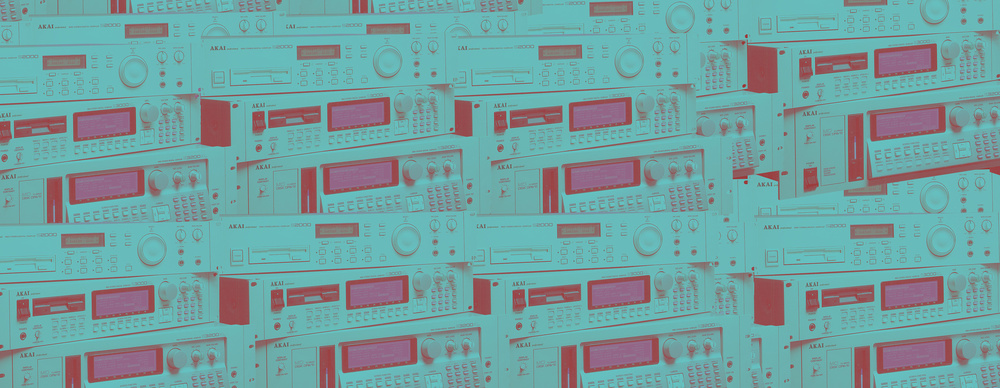
A few years later I’d bought a Boss Digital Sampler/Delay pedal (DSD‑3), which was brilliant for delay but measured its sample capacity in milliseconds. As a sampler it was a novelty. I didn’t get my hands on a bona fide sampler until I worked at SOS, when I borrowed an Akai S2000 from then editor Paul White. It was exciting to have a professional sampler in my grasp, and I set about chopping up some percussion loops and synchronising them. In the end I had to give it back, but I wasn’t too upset. To use one of Paul’s own favourite review sayings, negotiating the menus through the tiny LCD display was like “wallpapering the hallway through the letterbox”, and by this time the SOS editorial office was awash with review products that offered sampling.
I’ve sampled and used everything from insects in Cyprus and the clock on my boiler to my children, my cats, thunderstorms and stone chiselling.
As the cost of memory plummeted and storage capacity increased dramatically, the distinction between recording and sampling became somewhat academic, eroded by the integration of multiple tools and processors within DAWs, and platforms like NI’s Kontakt. So today I still don’t really use a standalone sampler in the classical sense, yet I make samples all the time, recording on handheld portables, or directly into my PC, then cutting, stretching, pitching, looping and mangling the audio in the DAW. I’ve sampled and used everything from insects in Cyprus and the clock on my boiler, to my children, my cats, thunderstorms and stone chiselling. I’ve also reviewed many fantastic sample libraries for SOS, but nothing beats making your own.
Occasionally I wistfully imagine that I’m following in the footsteps of Pierre Schaeffer, Delia Derbyshire, DJ Kool Herc or Grandmaster Flash. Not in terms of musical style, but in the spirit of found‑sound manipulation and re‑appropriation. Nowadays incredibly powerful sample creation and editing tools are within everyone’s grasp, so this generation might not understand the feeling of desire (born out of scarcity) for the process, but I’m still very excited by the enriching possibilities of using samples.