Strymon Canoga
Strymon’s Canoga is designed to replicate the sound of old‑school fuzz circuits, and was apparently inspired by the classic silicon Fuzz Face.

Strymon’s Canoga is designed to replicate the sound of old‑school fuzz circuits, and was apparently inspired by the classic silicon Fuzz Face.

The TimeLine MX offers a signifiant upgrade over the standard version, introducing four new delays engines and a reverb, as well as the ability to run any two engines at once with a choice of series, parallel or split modes.

The new arrival to the Series A family is a fuzz that's based on a small selection of pedals built by Strymon’s CEO Gregg Stock over a decade ago.

More than ‘just’ a distortion pedal, this all‑analogue overdrive boasts real amp‑like character.

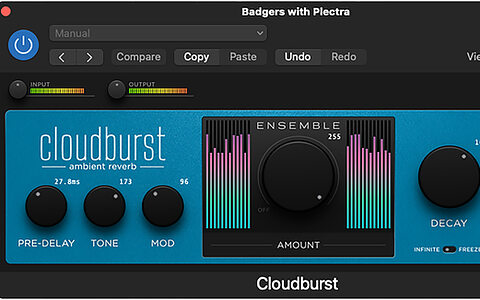
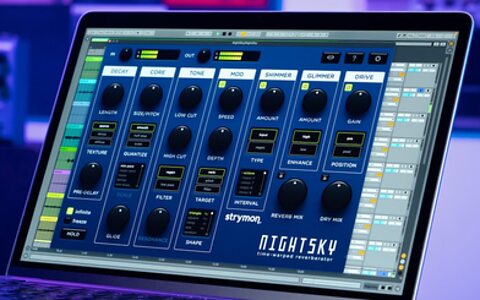
Strymon's digital NightSky pedal is now available as a DAW plug-in.

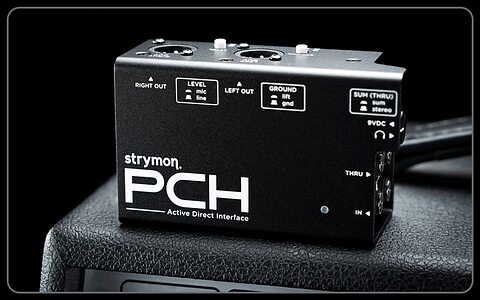
Boasting some impressive technical specifications and versatile routing options, Strymon’s latest active DI boxes promise to maintain an instrument’s tone while being flexible enough to fit into just about any setup.

Said to be unlike any other reverb plug-in, the plug-in version of the Strymon NightSky delivers everything that its hardware sibling has to offer, and comes packed with features that will be welcomed by keen sound designers.

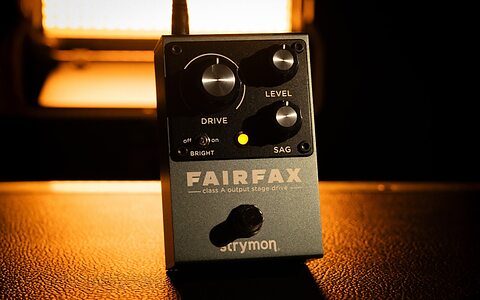
Inspired by a little-known valve device from the 1960s, the Fairfax is said to take an altogether different approach to overdrive, and marks the introduction of a new Series a line-up that contrasts the company’s DSP-based offerings.

This pedalboard‑friendly DI interface has been designed specifically for interfacing amp modellers and electronic instruments with PA and recording systems.

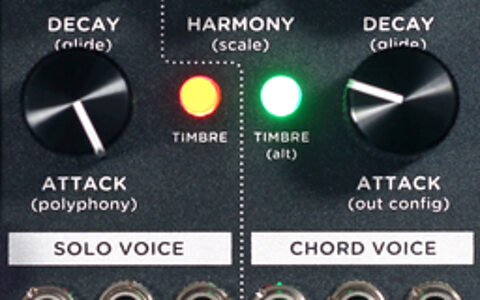
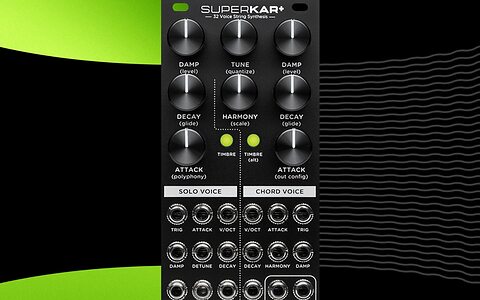
SuperKar+ can produce up to 32 voices and has a bi‑timbral split to offer a Chord voice and a separate polyphonic Solo voice all within the one 12HP module.