Emulator X Studio
Emu's range of soundcards offers an unprecedented level of flexibility, DSP power and sound quality for the price — with the added bonus of a very impressive software sampler.
To find the exact phrase, put the words in quotes or join them together with a plus sign e.g. live+recording or "live recording".
To find, say, all live recording articles that mention Avid, enter: live+recording +avid - and use sidebar filters to narrow down searches further.

Emu's range of soundcards offers an unprecedented level of flexibility, DSP power and sound quality for the price — with the added bonus of a very impressive software sampler.

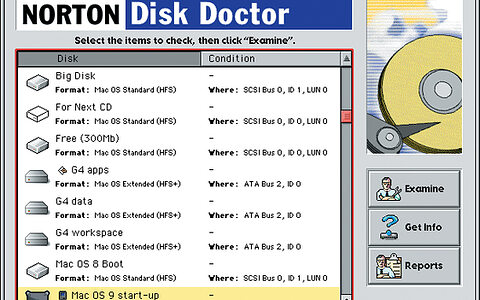
The MacOS 9.0.4 updater is here — but will it suit everyone? Vic Lennard does a bit of pre-trouble shooting...

This new voice channel aims to provide all you need to get a good sound from a mic, at a reasonable price. David Mellor tries it out.

It's another multi-DVD orchestral library! Does it merit a thunderous introductory timp roll or a feeble tap on a vibraslap? Find out...

The latest addition to Lovetone's range of bizarrely named stomp-boxes is a surprisingly well-specified ring modulator. Will it sting Derek Johnson & Debbie Poyser into musical action?

The Korg DDM110 was one of the first digital drum machines to reach the mass market. Paul Sellars rediscovers its distinctive, punchy sound and revels in the simplicity of its programming...

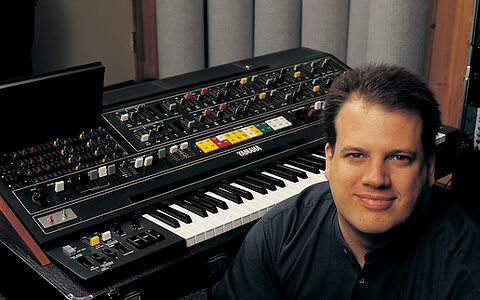
Arturia caught our attention with Storm, the virtual studio suite, but of late they have diversified into emulating classic hardware instruments. So how do they fare in their attempt to capture the mighty Minimoog in software?

If you want to get your hands on the latest VST Instruments and Plug-in effects, but don't fancy having a PC in your studio, Muse Research's Receptor could be the answer.

As Chief Sound Designer for Roland and founder of Specrasonics, Eric Persing has created some of the most widely used sounds in modern electronic music. He tells Kevin McDaniels how he turned sample CDs into big business, and reveals how some of the exotic sounds on his Spectrasonics discs were created.

Canadian company QSound Labs were among the third-party TDM developers present at Digiworld, the recent Digidesign-hosted event in London. Paul White chatted to QSound's head of technical support, Scott Willing, about the latest developments in their 3D processing technology.

Many UK music technology retailers are now building specialist PCs to order, and Digital Village are no exception. Their Pentium 4 systems promise careful optimisation at a very competitive price.


A deeply private man, ex-Gillian keyboard player turned film music composer Colin Towns recently made a rare appearance to promote his latest project, Colin Towns' Mask Orchestra. Sam Molineaux discovers the true story behind his varied musical career.

Applied Acoustic Systems, known best for their Tassman software synth, have now used their modelling technology to create an electric piano plug-in. But of course, theirs isn't the only one around...

These days a compressor is pretty much an essential purchase if you're recording vocals or non-keyboard instruments. Paul White looks at how they operate, and how they can be used both to control levels and to fatten sounds.

A monosynth that doesn't cost monopoly money? Paul Nagle thinks Waldorf's new Pulse offers the most fun you can have with your presets off...

For his latest musical project, Rick Wakeman chose to work with a travelling state circus. Jonathan Miller discusses the keyboard virtuoso's clowning glory, and delves into the man's 27-year recording career.

ISDN is a term that you will have certainly have come across in the pages of SOS over the last few years, but perhaps without really knowing what it does and how it works. Hugh Robjohns explains the relevance of this international digital telecommunications network to the modern musician.

Alongside Bob Moog, Don Buchla is one of the founding fathers of synthesis, and yet much less is known of him and his instruments. With this two-part review of Buchla's latest synth, and a history of some of his pioneering work, we hope to redress the balance...

Will physical modelling continue to be at the leading edge of synthesis, or are there other methods moving up on the inside tracks? Paul Wiffen winds up the Synth School series with a little crystal ball-gazing.