Using Reason's Spider Audio & CV Devices
The grey Spider devices look mild-mannered and unassuming — but they have super-powers that can unlock the hidden reserves of Reason's sound-making devices, as well as solving a host of more mundane problems.

The grey Spider devices look mild-mannered and unassuming — but they have super-powers that can unlock the hidden reserves of Reason's sound-making devices, as well as solving a host of more mundane problems.

Sonar offers several ways to mix, but is that a benefit or a source of confusion? Learn what the various mix modes do and you can choose the one that's right for your project.

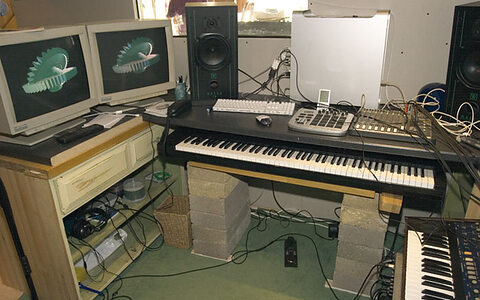
This month's task for the SOS crew involves stripping down Simon McEvoy's entire studio to improve the acoustics and ergonomics.

We follow up our comprehensive round-up of mastering limiter plug-ins for Pro Tools with a look at hot new products from three further manufacturers.


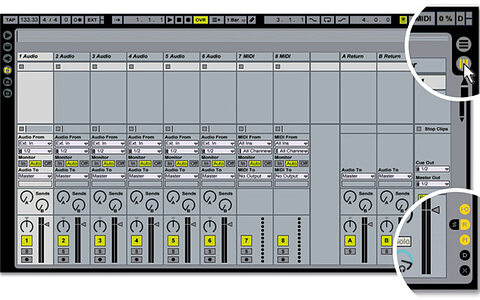
Ableton Live isn't just a DJ tool, but a very capable DAW. This month we begin a look at how to approach Live if you want to use it as a fully fledged audio sequencer.

Buss-powering USB and Firewire peripherals from a laptop seems like a good idea, cutting down on annoying power supplies and keeping everything portable — but it's not quite as straightforward as you might imagine.

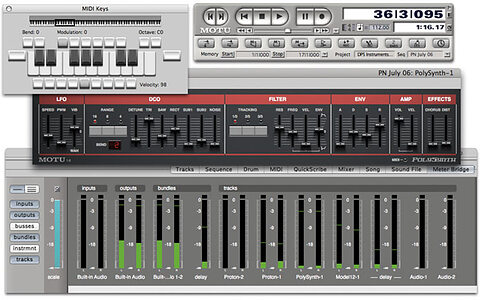
Last month, we passed briefly over the flashier additions to the latest version of DP, in favour of some less obvious but rather useful new features. Now it's time to return for a closer look at those shiny new bundled instruments...

Morph The Cat, Donald Fagen's third solo album in 24 years, sees Fagen and engineer Elliott Scheiner continue their quest for the best possible sound quality — which, it seems, comes only from analogue recording.

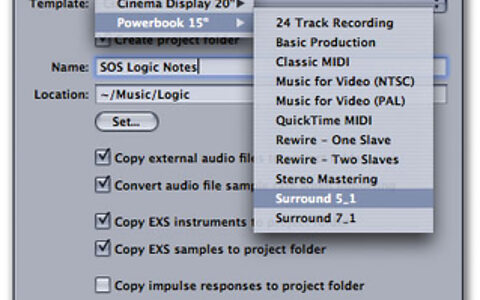
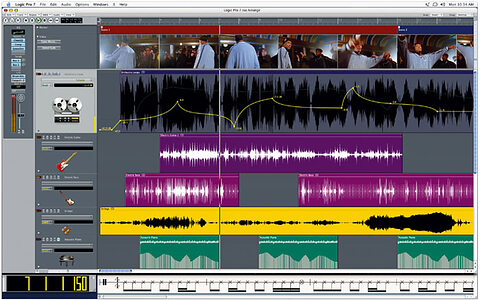
The facilities for surround sound in Logic Pro v7 are often overlooked, so here we take a peek at how to get going.

In 1979, at the end of a 13-way bidding war, The Knack went into the studio to record their debut single — a debut single that would go gold in seven days and sell six million copies worldwide. This is the story of how it came to be...

Japan's YMO helped pioneer the use of electronic instruments and sampling. Now Uwe Schmidt, aka Señor Coconut, has used the same techniques to render their greatest hits as Latin dances, with contributions from all three original YMO members.

Electrical noise — hiss, buzz and hum — is something that plagues every electric guitarist to some degree, but noise comes in a variety of forms and it is important to establish exactly which kind(s) you are experiencing in order to devise an appropriate solution.

It's been an interesting four years for Mac-based audio engineers and musicians since Apple acquired Emagic, so this month we take the opportunity to acknowledge the anniversary and consider what's changed over this time and what's still to come.

When sequencers first allowed you to record musical notes in real time, one of the features that became ubiquitous in all systems was quantisation. Here we take a look at how quantise has evolved and is currently used in Cubase SX.

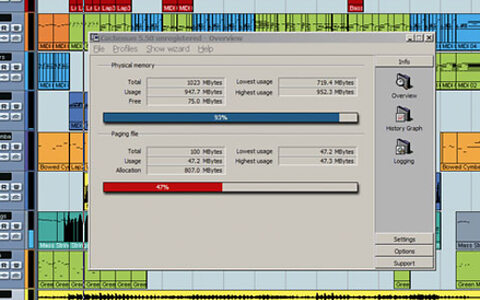
There are many factors that can cause your PC to struggle when playing back your songs — including RAM, your hard drive, your CPU and your system settings. But how do you know which is to blame, and do you have to upgrade or can you work around the problem?

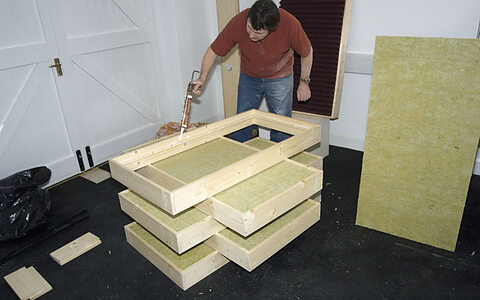
The team create portable acoustic treatment for a TV/film music composer who has plans to move house.

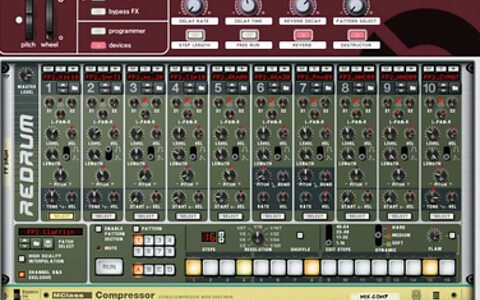
Last month we looked at some basic applications of the Redrum module in Reason drum programming. Now it's time to move on to more sophisticated techniques for your rhythm parts.

When your project includes repeated MIDI or audio parts, the new Region Looping tools in Pro Tools 7 enable you to work faster and with greater flexibility.

After being extensively trailed at this year's NAMM show, DP5 is finally here. But besides its shiny new additions, such as the six bundled MAS instruments, there are some unexpected and intriguing new features that might just prove to be more useful to some...