This Is Stereo! PART 6
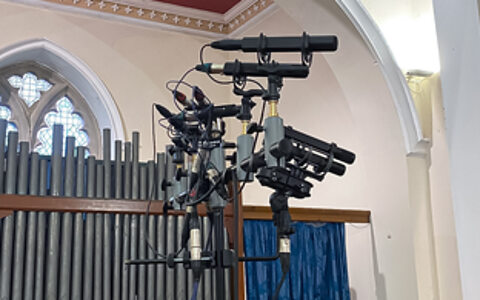
With an understanding of spaced and coincident stereo arrays, we can exploit the characteristics of both — using either established arrays, or by creating our own!

With an understanding of spaced and coincident stereo arrays, we can exploit the characteristics of both — using either established arrays, or by creating our own!

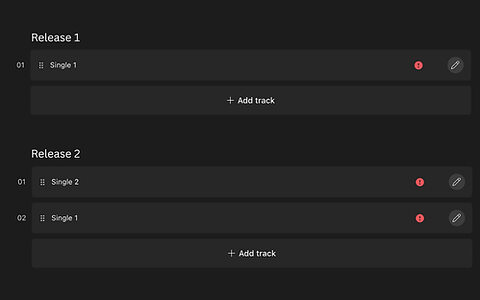
With our nu‑disco tune mixed and mastered, we turn our attention to distributing and promoting it...

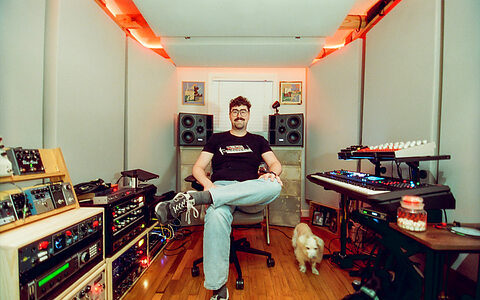
To perfect Olivia Dean’s intimate, personal sound world, the artist and producer/songwriter Zach Nahome decided to step outside the studio.

Studio One has everything you need to produce professional‑sounding podcasts.

William Basinski’s archival recording project gained a life of its own when the tapes began to deteriorate, and then took on a new significance in the wake of the September 11th attacks.

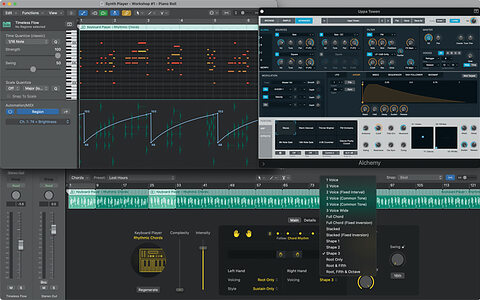
Alchemy’s granular engine is a sonic playground with infinite possibilities!

Guitarist Steve Rothery is the longest‑serving member of prog‑rockers Marillion, and here he details how he got his favourite guitar sound on Marillion’s ‘The Great Escape’.
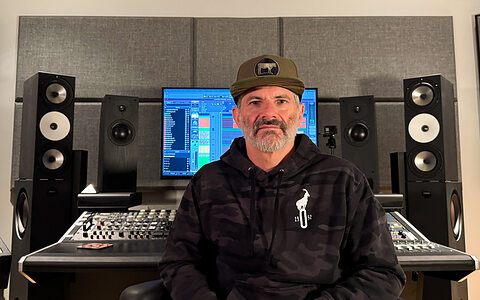
These audio files accompany the Pop Vocal Mixing article in SOS November 2025. The song featured in these examples is 'April Blues', by the artist Moni Blue.
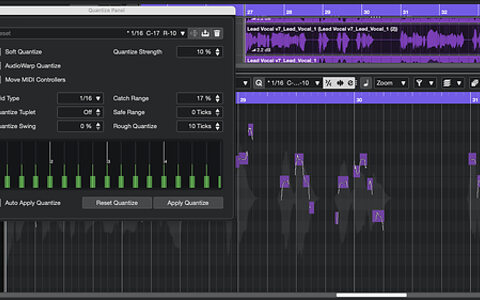
These three audio files provide examples based on the techniques described in the Cubase workshop article in SOS November 2025.

Building on the concepts explored in previous parts of this series, it’s time to weigh up some of the pros and cons of coincident and spaced arrays.

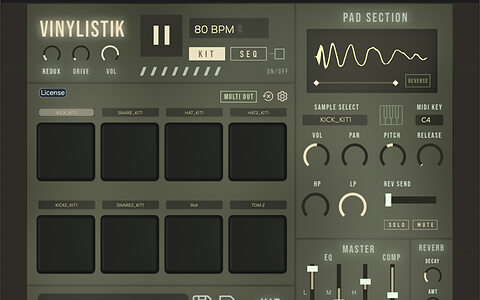
There’s more than one way to slice your beats in Studio One!

Famed recording engineer and record producer Kyle Lehning started his recording career at the age of 18 in Nashville. His career trajectory saw him go on to work with a virtual Who’s Who of the American country music scene...

We go off‑grid with Logic’s powerful Smart Tempo feature.

With Splice integration, Pro Tools opens the door to a world of samples.

For their first major‑label release, Wolf Alice hired super‑producer Greg Kurstin to channel their inspiration.

There’s more to crafting perfect pop vocals than slapping on a bit of compression and Auto‑Tune!

Use Cubase’s Shimmer and Studio Delay to create atmospheric guitar tones!

Remember the nu‑disco tune we wrote last month, using the loops and instruments in SOS For Artists? Now it’s time to flesh it out, mix it and master it...

We dive into a new Performance Pack that could change the way you use Live.

While it’s often most natural in a patch to assign one control signal per destination, there is enormous creative scope in sending a single voltage source to several destinations simultaneously!