Making A Living From Music For Picture: Part 2
If you're ever going to make it in this game, you need a calling card, a way of impressing potential clients with your musical ability — you need a showreel. We explain what to do to create one...

If you're ever going to make it in this game, you need a calling card, a way of impressing potential clients with your musical ability — you need a showreel. We explain what to do to create one...

For the Staple Singers' landmark 1972 Stax album, engineer Terry Manning and producer Al Bell employed the talents of Memphis's finest musicians and two of the South's most famous studios.

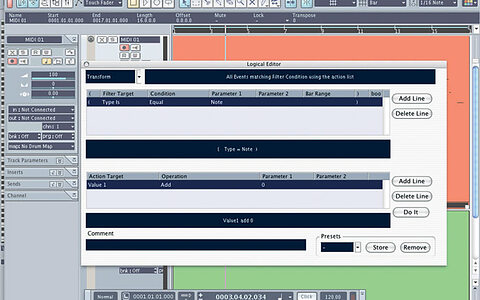
Cubase contains many powerful features for processing MIDI data, such as the Logical Editor and Macros. This month we look at how using them together can create some powerful solutions to potentially tedious problems.

If you've ever been confronted by the dreaded Blue Screen Of Death, suffered random reboots or faced the frustration of inexplicable PC crashes, read on for some preventative measures...

We continue exploring what your sampler's synth engine can do to liven up bland self-sampled sounds, and explain the concepts of layering and multitimbrality.

This SOS reader was having trouble with his monitoring, so the SOS team sped over to his home studio in Bristol, England to sort things out.

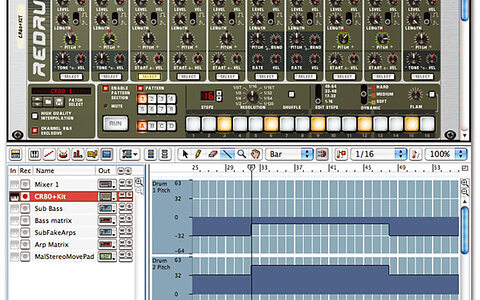
Can't quite get your Reason rhythm section kicking with the rest of the track? If you've never considered tuning your drum samples and loops to help create a tight and harmonious mix, now may be the time to try it...

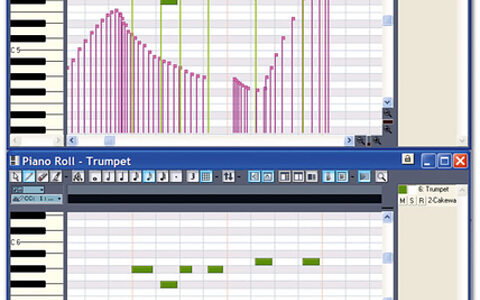
Cakewalk have strengthened the MIDI side of Sonar 5 considerably, in recognition of the rise of software synths that benefit from enhanced MIDI controllability. We run through some of the new features and suggest how you might want to use them...

Writing music for picture seems like the ideal career. You get to work in your studio for a living, you can earn good money, and there's so much potential work: action films, travel and nature documentaries, romantic comedies, cartoons, low-budget sci-fi, even breakfast cereal ads. But how do you break into this lucrative world?

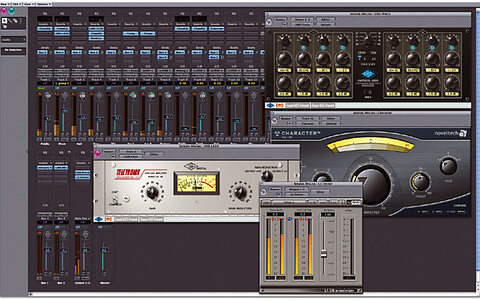
Mixing live band recordings within Logic presents a unique set of challenges, so we show you how to get great results with the minimum hassle.

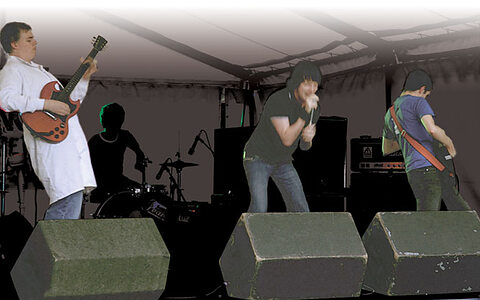
Although monitor engineering is often thought of as subordinate to handling the FOH sound, in reality it's at least as important. We take a tour around this most crucial of live sound subjects.

Nearly all modern samplers have powerful synth engines concealed inside them — and sometimes they're so well hidden that their users are unaware of their existence. But then why would you want a synth in your sampler? Let's find out...

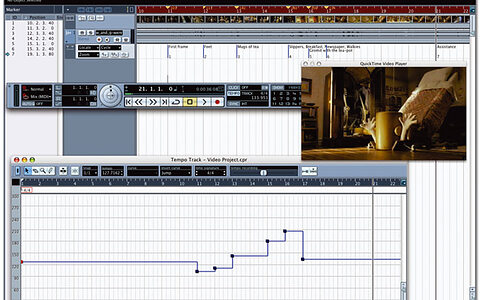
We take a look at building tempo maps for writing to picture in Cubase, using Markers, Time Warping and the Process Tempo command.

Few of us use our software sequencers in isolation — we all need associated hardware, such as monitors, external effects, and favourite MIDI synths. This month we take a look at using DP with such hardware.

We begin this regular column on using Ableton Live by examining how you can increase your productivity whilst using the program as a writing tool.

Christmas came slightly early this year for Mac enthusiasts, with significant product announcements, including new dual-core, dual-processor Power Mac G5s. But just what do the new high-spec computers mean for musicians?

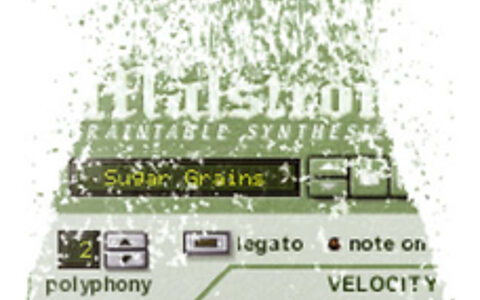
Granular synthesis is the core technology behind the latest time-stretching and pitch-shifting algorithms, but it can also be used to generate extraordinary evolving soundscapes. We explain how the process works and show you how to get the best from the software that uses it.

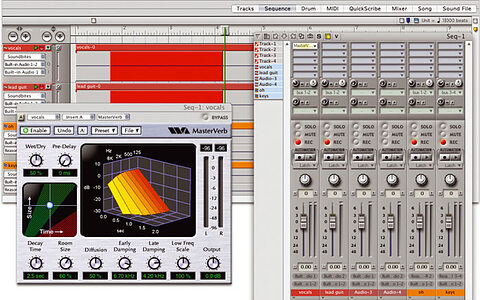
We all know that Beat Detective can be used to fix up dodgy drumming. But how about creating a tempo map from a freely played keyboard part? Or replacing a piano track with note-for-note accuracy? You can achieve amazing results when you know how...

With their oblique, short and often brutally noisy songs, The Pixies reinvented rock music at the turn of the '90s, and influenced almost everyone who picked up a guitar in the following decade. Producer and engineer Gil Norton helped them to shape their breakthrough single.

The 64-bit Windows XP x64 edition is on the shelves, but musicians should stick with their trusty 32-bit OS for the moment. PC Notes explains why, as well as offering some constructive soundcard feature suggestions to manufacturers.