Newsgroups are one of the most valuable, yet one of the most neglected features of the internet — indeed, many people don't even know of their existence. Kevin Perry explains how to access them and what benefits they offer for musicians.
Collaboration between hardware and software developers isn't common in the world of PC music — but this month Martin Walker reports on several attempts to bridge the divide.
If you're still under the impression that the Celeron is a type of vegetable, now's the time to find out more. Martin Walker plugs in some new processors.
Less than £60 buys an Atari sample editor that's up there with new Mac and PC audio tools in terms of sound-manipulation potential. Derek Johnson puts his samples through the Squash It! mangle.
Just as the Universal Serial Buss arrives, the FireWire juggernaut sounds its horn and releases the air-brakes. Martin Russ boldly attempts to fight off the worst of the bad puns.
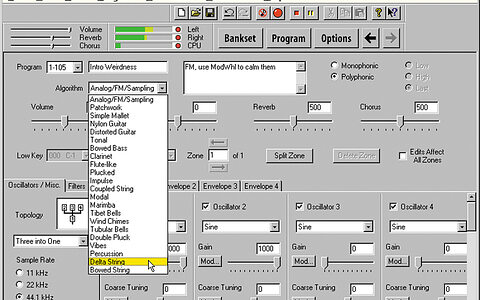
The complete virtual studio comes a step closer with sophisticated software sampling. Derek Johnson & Debbie Poyser look at a cross-platform program that aims to take sampling out of the rack and onto the desktop.
Audio software and PC soundcards are offering 20- or 24-bit recording capabilitiy at even more affordable prices — but whether the extra data on your hard disk will actually correspond to better sound quality depends on a host of other factors. Martin Walker tells you what you need to know when deciding if you should make the change.
As computers continue to increase in power, so the numbers of roles they can play in the studio increases — and the makers of Audio Architect would have us do our synthesis in software. Kevin Perry finds out if it can really replace those old Moogs and Prophets.
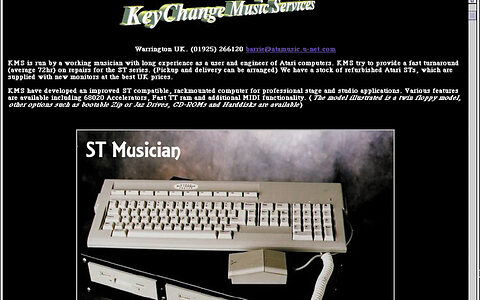
Ataris can now be picked up at very reasonable prices and, with the addition of some cost-effective software, make useful live sequencing devices. Derek Johnson highlights this and other uses for your ST, and discusses some fast new TOS-compatible machines from Europe.
John Walden exchanges his plectrum for a mouse and suggests some guitar-related Internet sites that might encourage even the more technophobic pluckers and strummers to venture into cyberspace.
Paul White braves the slings and arrows of his outrageous PC in the good cause of testing a MIDI + Audio sequencer designed with the guitarist in mind.
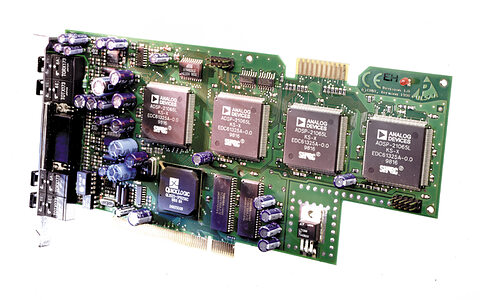
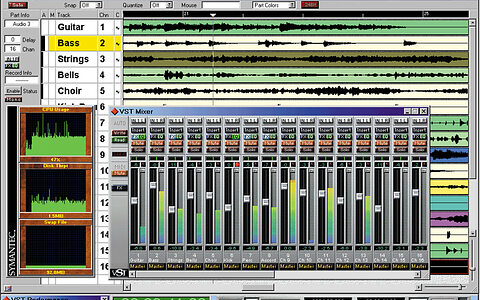
These days, high-end PC soundcards offer much more than mere audio interfacing, incorporating mixing, synthesis, sampling and often powerful onboard processing facilities. Martin Walker finds the features of Creamware's new DSP-powered Music Production Environment' impressive even by modern standards.
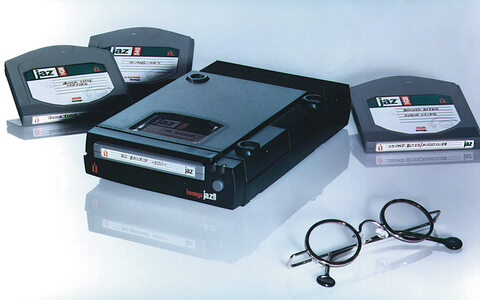
No-one enjoys making backups, but they are a necessary part of digital audio recording. Martin Walker explores the options, and explains their strengths and weaknesses.
This month, Simon Trask looks at the current state of online music delivery. Can musicians really bypass the record companies and go DIY on the Internet?
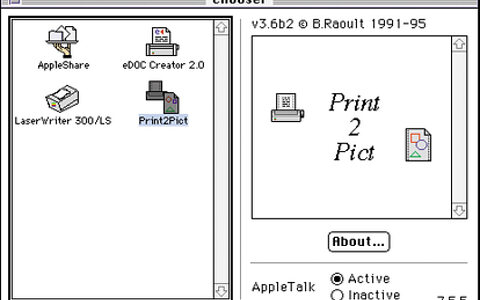
Martin Russ finds that pitfalls await innocent readers wanting to print out their scores, and also extols the virtues of an alternative to the ubiquitous mouse.
Running two or three soundcards simultaneously can greatly increase the power and flexibility of your PC but it can also lead to serious conflicts. Martin Walker leads you through the pitfalls.
For years Metro was a fully-featured Mac MIDI-only sequencer without a permanent home, available from various manufacturers. Now, the package has been adopted by PC sequencer company Cakewalk to help them attract Mac-based custom — and they have added various new features including audio support. Mike Collins goes underground...