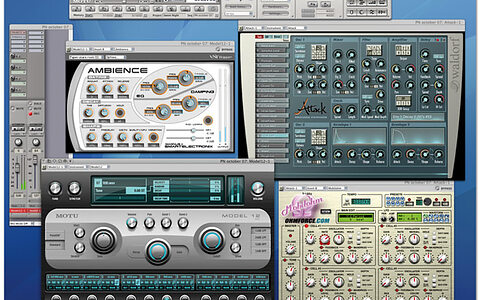
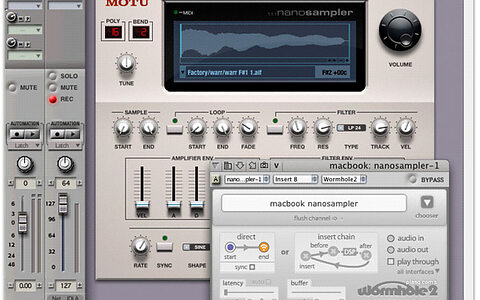
We take a look at how MOTU's new MachFive 2 sampler integrates with Digital Performer 5, explore a DP plug-in that makes it easier to work with MIDI controllers, and round up the customary batch of news and tips for DP users.
DP supports a wide range of plug-in and virtual instrument formats, which is great for flexibility and variety but sometimes not so good when it comes to trouble-free operation. We explain how to take the pain out of plug-in management.
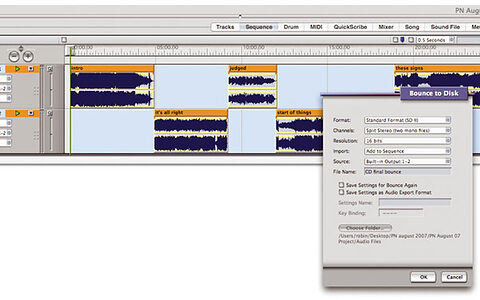
DP's native Sound Designer II audio format can carry region information within files. That fact may not sound especially significant — but with the help of our guide you can use it to help you compile and burn CDs quickly and easily.
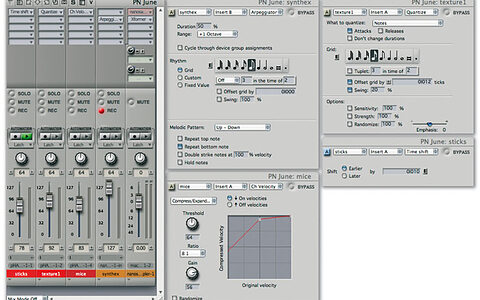
MIDI plug-ins are often overlooked, regarded perhaps as the poor relations of the more glamorous audio type, but they can give you real power-user status if you take the trouble to investigate their capabilities.
If you're serious about digital audio you need to know about dither — both what it is and when to use it. So here it is: the SOS Digital Performer dither primer.
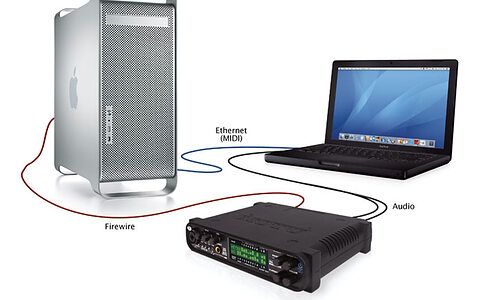
Last month, we looked at OS X's Network MIDI capabilities and how they get along with DP. This time, we go further into the brave new world that is network audio and remote access. Prepare to give your network connection a workout...
Unlike Logic, DP doesn't have any sort of distributed processing scheme, but by using additional Macs in your DP setup, with a network connection between them, you can achieve a similar result. Here's how it's done.
We update you on changes to new Macs' built-in audio hardware, then take a look at how Bundles can help users of older and current Macs alike to easily reconfigure their audio I/O.
The subject of clicks might not seem terribly interesting — but it's surprising how much difference a well-chosen timing reference can make to the recording of your musical performances.
MOTU have released DP 5.1, a Universal Binary version of Digital Performer that allows owners of Intel Macs to finally make the most of the application on their new machines. But while this is a crucial piece of the jigsaw in enabling DP's use on the Intel platform, it's going to be a while before you can recreate a fully loaded G4 or G5 setup. Here's the low-down...
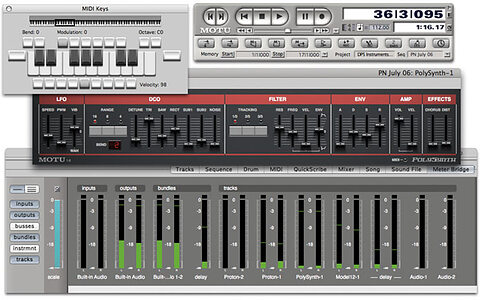
DP5's new virtual instruments have all the facilities you need for creating large and well-organised libraries of patches and samples, easily accessible and portable between projects and computers - as long as you know where to look.
Mark Of The Unicorn's flagship recording package combines individual design with a heavyweight feature set. Could Digital Performer be the sequencer for you?
Last month, we passed briefly over the flashier additions to the latest version of DP, in favour of some less obvious but rather useful new features. Now it's time to return for a closer look at those shiny new bundled instruments...
After being extensively trailed at this year's NAMM show, DP5 is finally here. But besides its shiny new additions, such as the six bundled MAS instruments, there are some unexpected and intriguing new features that might just prove to be more useful to some...
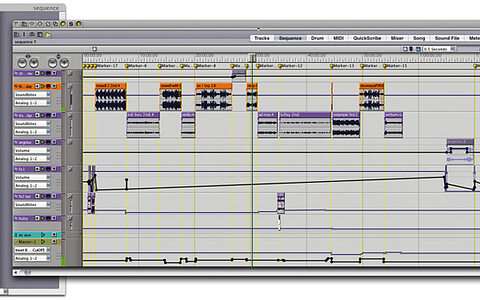
Your next project might be a four-track demo or a 100-track surround mix for cinema. Either way, at some stage you're going to have to mix it — but with DP on your side, that doesn't need to be a headache.
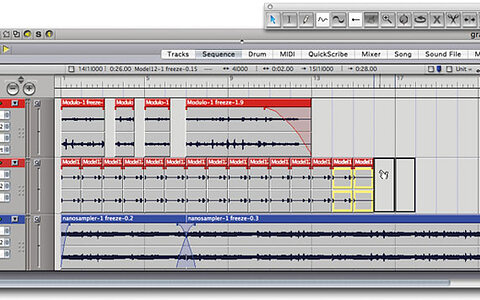
When it comes to controlling sequence tempo and imposing a meaningful beat structure on freely-recorded MIDI and audio, DP has plenty of tricks up its sleeve — including Live-like 'liquid audio' powers.
If you favour the feel of music that results from real people playing real instruments, the strict-tempo approach of a sequencer can feel like a straitjacket. But DP offers many ways of breaking out, and this month we explore them, as well as bringing news of the major update that is Digital Performer v5.
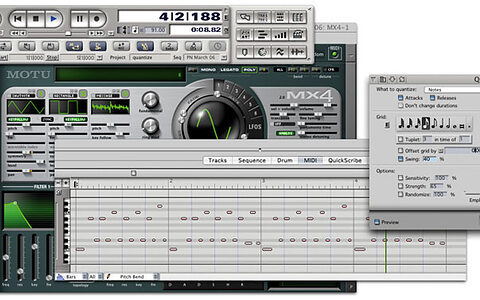
Quantising is all about turning your sloppy playing into rigid, computerised perfection, right? Well, no — at least, it doesn't have to be. We check out the finer points of quantising in DP and look at what it can do for your music.