Mix Rescue: St.Vitus | Media
Here are the links to the MP3 and WAV files that accompany the November 2008 Mix Rescue article for our newsagent readers who do not have eSub-access to the main web article.
To find the exact phrase, put the words in quotes or join them together with a plus sign e.g. live+recording or "live recording".
To find, say, all live recording articles that mention Avid, enter: live+recording +avid - and use sidebar filters to narrow down searches further.
Here are the links to the MP3 and WAV files that accompany the November 2008 Mix Rescue article for our newsagent readers who do not have eSub-access to the main web article.

I’m currently upgrading my project studio, which is based around a Focusrite Saffire LE and is fine when using Cubase or NI’s Traktor. However, I am looking to bring Pro Tools into the equation, and despite some hunting I’m still stumped. Would using an M Box affect the sound drivers for my Saffire, forcing me to disable one piece of hardware and restart my system?

Lately I’ve been thinking that it might be handy to get hold of some omni–pattern dynamic mics. I can imagine they’d provide an interesting alternative in roles such as drum overheads, and the lack of proximity effect should make them useful for close–miking. Do you think they could be useful, and what models would you recommend if so?

I've only really just started getting to grips with EQ and I've come to a stumbling block. I'm working with Apple Logic 8 and am using all of the preset synth and drum sounds, which sound fabulous on their own (no problem frequencies, in other words). However, there are obviously overlapping frequencies between instruments, because things are getting muddy. Given that I have to remove some frequencies from one already perfect–sounding sample to make room for the other, how do I decide which frequencies are expendable? How can I identify which frequencies are causing the problem? For example, if you have a guitar part, obviously you remove the low end, but what frequency bits should you take out in the rest of the waveform? A little bit of the 500Hz range and 1000Hz? How do you know which bits waste headroom? Also, is it best practice to reduce the overall level of an instrument and then raise certain frequencies containing the essential musical parts ('attack', 'body', and so on)? I'm not asking which parts of specific instruments should be removed, but am more wondering how I can identify which parts of a sound are useful or unnecessary. Is it common to have seven or eight steep (high-Q) 'notches' removing a number of frequencies in one instrument?


I often record double-tracked vocals and pan them left and right, but was listening closely to some other artists and noticed how the vocals seem to be close-up and spread across the stereo field, without appearing doubled up. How can I achieve this?

Another crop of sound libraries get the SOS 'CSI' treatment: • Best Service HipHop & RnB • Ueberschall Adlibs • Vienna Symphonic Library Appassionata Strings II & Chamber Strings II • Vienna Symphonic Library Upright Bass

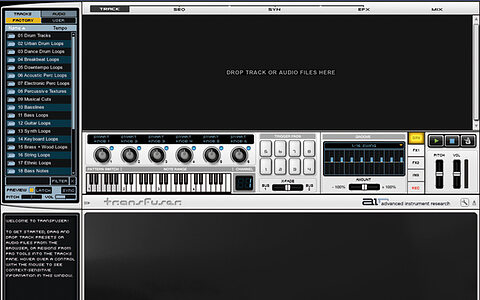
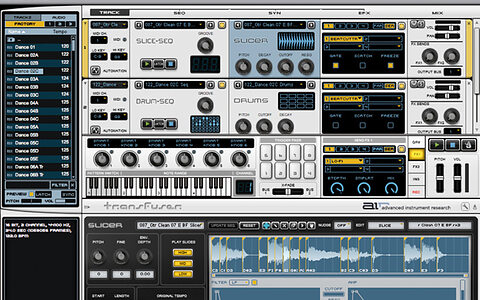
Digidesign's Transfuser plug-in is a sequencer within a sequencer — not to mention a sampler, loop-slicer, synth, drum machine and effects unit! We offer some expert tips to help you get to grips with it.

Reel to real: the true impact of audio archival processing

The first fruit of the Yamaha-Steinberg union is finally with us, but does it provide the hardware/software integration that Cubase and Nuendo users have hoped for? And what is there to tempt users of other DAWs? Let's find out...

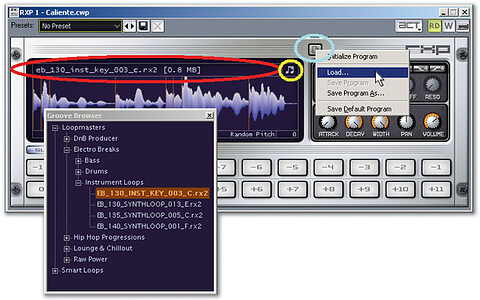
Sonar was one of the first DAWs to take looping seriously — which means that you'll find plenty of tools for making loop-based music easier.

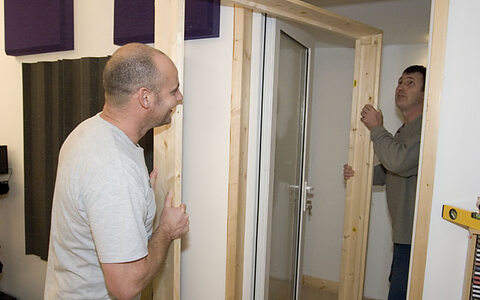
We help singer-songwriter Jamie Knight make the most of his recording space, and advise on separation when recording multiple sources simultaneously.

It's been a long time coming, but the successor to Universal Audio's hugely popular UAD1 DSP card is finally with us. So is the UAD2 everything we hoped it would be?

Digidesign's latest virtual instrument is a multitimbral monster devoted to chewing up loops, beats and phrases and spitting them out as finished tracks.

No matter how 'in the box' you go, you still need easy, transparent control over your monitoring setup, and this little box claims to do it all for a good price.

Wowa Cwejman is already in possession of a fine reputation for esoteric synth modules, but he hasn't run out of ideas yet. Join us as we take a tour of his latest creations...

SSL have released a free plug-in that gives you the sound of Halloween in your DAW. It turns plain vocals into spooky...

London’s City Lit college is offering two new courses that are a little different to what we’re used to....

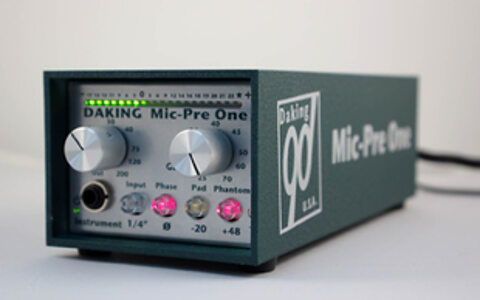
The latest release from hardware designers Daking is the Mic Pre One, a free-standing preamplifier that can accept mic...

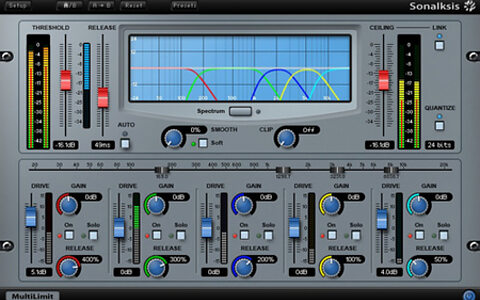
UK-based plug-in developers Sonalksis have released four new plug-ins as part of a suite of mastering processors....

Manchester-based media school Futureworks have been awarded Pro School certification by Digidesign, making them one of...