Plug-ins; Adobe Premiere
Martin Russ brings you more information about Mac plug-ins, and downloads two Software Development Kits.

Martin Russ brings you more information about Mac plug-ins, and downloads two Software Development Kits.

The piano comes in a variety of forms and is used in many different roles as part of ensembles and as a solo instrument. Many engineers regard the piano as the hardest instrument to record. Hugh Robjohns offers some practical hints and tips for getting the right sound.

In Part 1 of this (63-part) series exploring the world of subtractive synthesis, Gordon Reid goes right back to basics. What are waveforms and harmonics, where do they come from, and how does the theory relate to what we actually hear?

How to find this classic multi-part 'synthesis explained' tutorial series on the current Sound On Sound site.

If you're still under the impression that the Celeron is a type of vegetable, now's the time to find out more. Martin Walker plugs in some new processors.

In Part 1, we saw how manufacturers realised that putting DSP effects on synths made for great sales. Subsequently, they twigged that it was also a good idea to let us take them off again (selectively), and route and adjust them ourselves.

Tired of those sampled string sounds? Hugh Robjohns outlines a number of techniques and tips for recording real live string soloists and string sections.

Less than £60 buys an Atari sample editor that's up there with new Mac and PC audio tools in terms of sound-manipulation potential. Derek Johnson puts his samples through the Squash It! mangle.

The small and not-so-small time delays between a signal entering and then emerging from a computer soundcard can turn hard disk recording into a frustrating experience. Martin Walker leads us through the twists and turns of latency.

Collaboration between hardware and software developers isn't common in the world of PC music — but this month Martin Walker reports on several attempts to bridge the divide.

Just as the Universal Serial Buss arrives, the FireWire juggernaut sounds its horn and releases the air-brakes. Martin Russ boldly attempts to fight off the worst of the bad puns.

Newsgroups are one of the most valuable, yet one of the most neglected features of the internet — indeed, many people don't even know of their existence. Kevin Perry explains how to access them and what benefits they offer for musicians.

These days, a new synth without some form of DSP effects processing is almost unthinkable — but it wasn't always like that. Paul Wiffen traces the introduction of effects on synthesizers and looks at making the most of the early implementations.

John Walden exchanges his plectrum for a mouse and suggests some guitar-related Internet sites that might encourage even the more technophobic pluckers and strummers to venture into cyberspace.

Subtle timing nuances play a large part in the feel of much of today's rhythm-based music. Martin Walker bangs the drum about creative use of groovy time-tweaking functions.

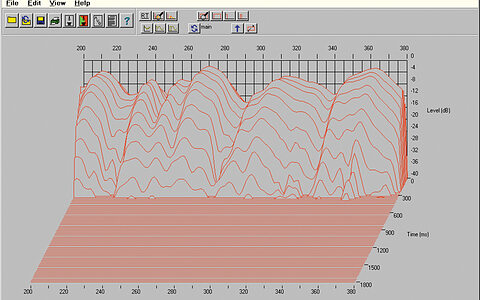
This month, Martin Walker reviews PC software packages that help you check out your own studio acoustics and examine your MIDI data.

Although most modern synths come with good bass guitar patches, there's still nothing quite like the real thingplayed well — provided you know how to record it. Paul White examines a few alternative approaches.

The times are colourful for Apple Macs. Martin Russ looks at the new Bondi Blue G3 PowerMac, and then does some serious Thonking.

Ataris can now be picked up at very reasonable prices and, with the addition of some cost-effective software, make useful live sequencing devices. Derek Johnson highlights this and other uses for your ST, and discusses some fast new TOS-compatible machines from Europe.

When it comes to emulating acoustic instruments, the modern orchestra probably represents the ultimate challenge. Philip Meehan shows you how to take it on and win.