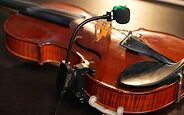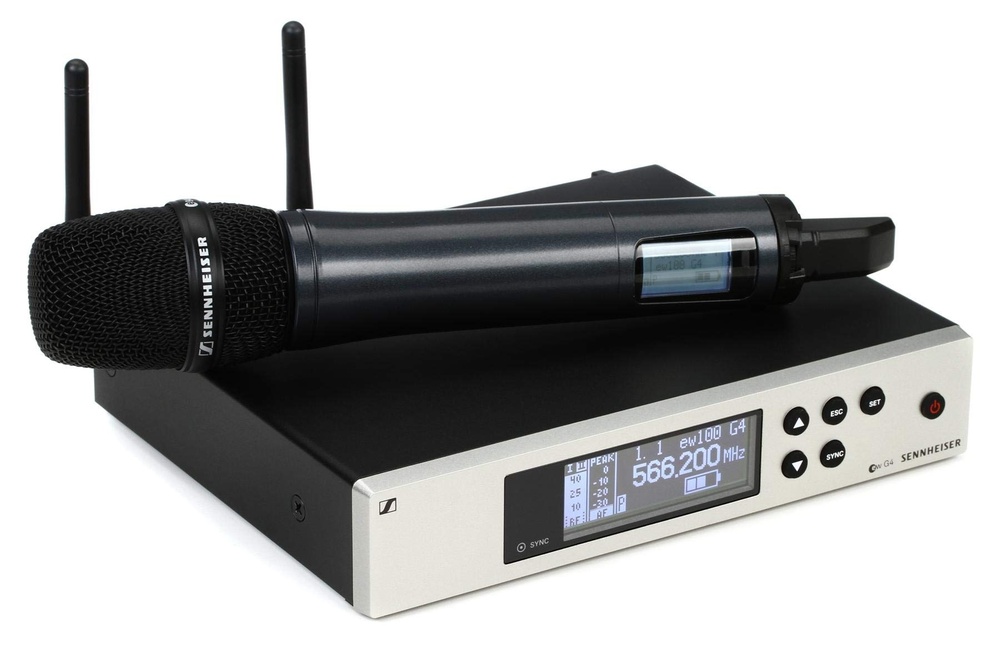
The situation echoes a global trend, and in the UK, the responsibility of challenging the move falls to OFCOM, who are currently gathering data so that they may present a case on the real-world impact of such a sell-off. It goes without saying that it’d have a devastating impact on the audio world, both professionally and across the amateur scene, so it’s well worth completing the survey and making sure the results draw an accurate picture of how crucial the bandwidth is to the audio industry.
While OFCOM already hold information on licensed users, there are a huge number of users across the country who rely on operating within the unlicensed part of the spectrum, and so the current data doesn’t present an accurate representation of how many users rely on the bandwidth being available. So, the regulator are encouraging anybody involved in the use of RF audio gear — regular or occasional, in live music, pub bands, studios, theatres, broadcast facilities, conferencing, schools, churches and so on — to complete the survey and make their usage known.
It’s also important for anybody holding a PMSE License (Programme-Making and Special Events) to ensure their license is up to date, as OFCOM will use the number of license holders as the number of RF users in the UK. Crucially, If the Ch 38 band is sold off, only those with registered, up-to-date licences will receive compensation towards buying new radio mics and IEM gear on whatever new frequency allocation is provided.
The deadline for the survey is 15 April 2026, and you can access the form via the link below. The questionnaire covers more than just audio usage, although it’s possible to answer just the questions that are relevant to your own usage and practices.