An Introduction To In-ear Monitoring
In-ear monitoring is becoming a practical option for musicians and engineers at all levels. Is it time you made the switch?
To find the exact phrase, put the words in quotes or join them together with a plus sign e.g. live+recording or "live recording".
To find, say, all live recording articles that mention Avid, enter: live+recording +avid - and use sidebar filters to narrow down searches further.

In-ear monitoring is becoming a practical option for musicians and engineers at all levels. Is it time you made the switch?

Their latest album saw Aerosmith return to their roots, with Jack Douglas in the producer’s chair. But it wasn’t all retro...

We're told repeatedly that the future of music is in downloads, and a primary source of downloaded music is Apple's iTunes

Signed to Harvest, Janus made one album — and hated the way it sounded. Four decades later, they finally got the chance to mix it properly...

Parallel compression is a powerful mixing technique, but it’s often misunderstood. Read on to find out what it really does — and how it can help you make better mixes.

Recent Q&A seminars with readers have proved enlightening...

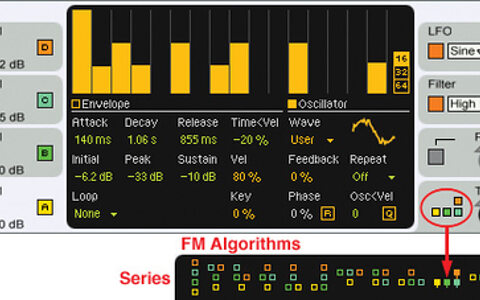
From the conventional to the chaotic, Live’s Operator synth does it all.

Having built our own beat repeater in Logic last time, let’s now see what more we can do with it...

Analogue drum machines are a rare species these days, so it’s a huge relief that a breeding pair have been found in Berlin...


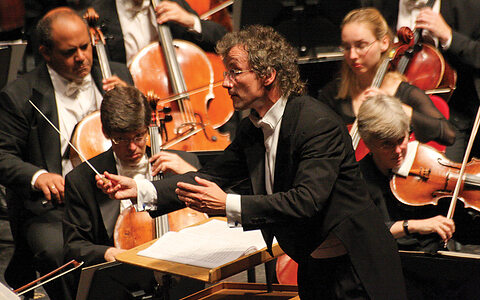
TV composers usually work at a safe distance, but you can’t beat the excitement of a big live spectacular.


Traditional and home studios haven’t always seen eye to eye, but there may still be room for both types in this ever-changing industry.


Tubey or not tubey? That is the question you can answer with the help of these affordable preamps!

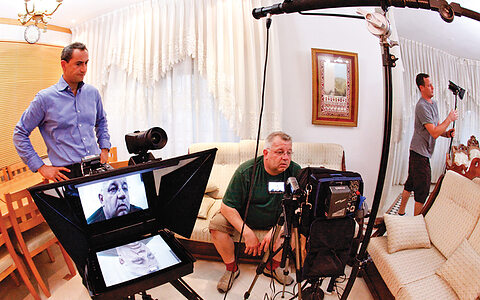
Documentary films stand or fall on the strength of their soundtracks — and when you are recording the emotional outpourings of a world leader, there are no second takes.

Pro Tools can integrate external hardware into its mixer, and even compensate for the delay that this introduces.

A recording of mine is suffering from excessive sibilance, so I have tried processing it using a de-esser. The problem is that...

I've been wondering: when was recording to a click first used? And when did it start to become widely used?