
link
Cubase 11 now available
Cubase Pro now features EuCon controller support, and streamlines the process of exporting projects and stems.
Published 11/11/20

 SOUND ON SOUND
Cubase Pro now features EuCon controller support, and streamlines the process of exporting projects and stems.

EQ will make or break your master. It's the single most important factor in mastering, once you've decided the loudness...

How loud is loud enough, and how loud is too loud?

Audio examples to accompany Part 1 of our Cubase: String Theory article.

Cubase can help you write and arrange realistic string parts.

Without a firm grasp of these three ‘core concepts’ of mastering, you’ll always struggle to get great results. In Part 2 of his series for SOS, mastering engineer Ian Shepherd describes his “Three Ms of Mastering”, and why he thinks they’re so important.

In this six-part video tutorial series, produced in association with Steinberg, well-known mastering engineer Ian...

Can Steinberg recreate the Cubasis DAW experience on Android?
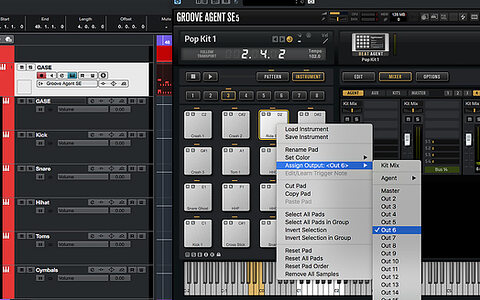
Thinking of collaborating with other musicians/engineers? Here's how to prepare and share your Cubase project data.
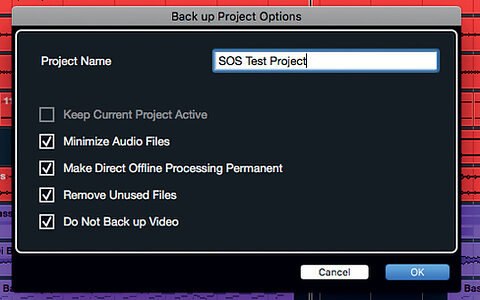
Future-proof your projects. We examine the archival options for users of Cubase Elements, Artist or Pro.
