Not only are these applications easier to use than commercial packages that can be confusingly feature heavy, they're also extremely easy on the wallet...
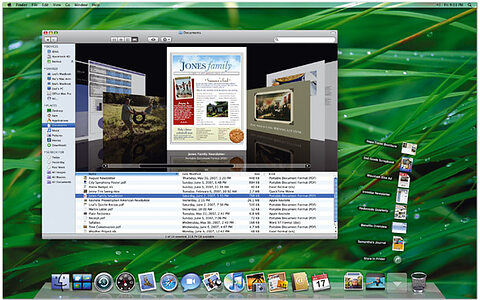
Apple CEO Steve Jobs outlined many visually interesting features this month for the next major version of OS X. However, it's perhaps the features that lurk beneath Leopard's glossy exterior that will prove the most useful to Mac-based musicians and audio engineers.
This month we examine reliable ways of reducing computer boot-up time, so you don't have to wait ages for your PC to let you get started when you want to make some music.
Putting your PC in a rack has a number of advantages. Apart from getting the machine out from under your feet, and making it easier to take on the road in a flightcase, there are security benefits too. Here's how to perform the conversion, and potentially make your PC quieter at the same time.
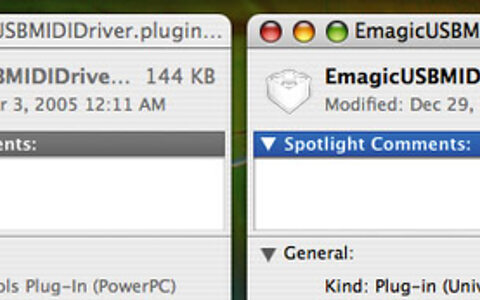
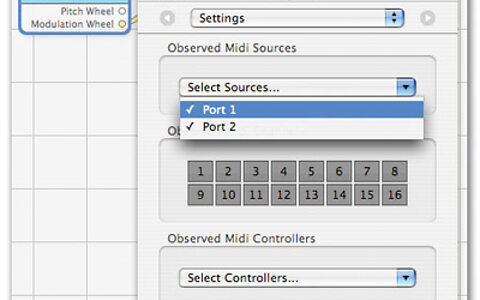
Installing a MIDI interface to work with your Mac should be an easy task, but what happens if it doesn't want to play ball? Apple Notes is here to help.
If the transition to Windows Vista is a matter of concern for PC-based musicians, imagine how serious it must be to music hardware and software developers. Our Round Table gives some of them the chance to air their views about the new OS and the problems and opportunities it presents.
An AMD-Intel price-cutting war spells savings for the consumer on speedy processors. We consider what you should do now if you're in the market for a new CPU, as well as bringing the latest news from the PC music world.
Despite a slow start to the year with regard to Mac-related news from Apple, there's been no shortage of Mac hardware and software announcements recently.
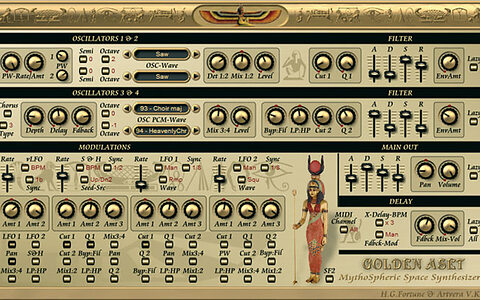
Cubase 4's new preset-management system falls under the PC Notes spotlight this month, as does an update to a recommended spyware-protection utility and an eye-catching yet cost-effective soft synth...
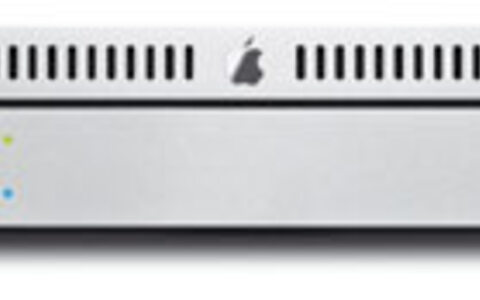
This month we take a look at Apple's Xserve as a platform for music and audio production, and continue creating a custom music-controlled 'visualisation' with Quartz Composer.
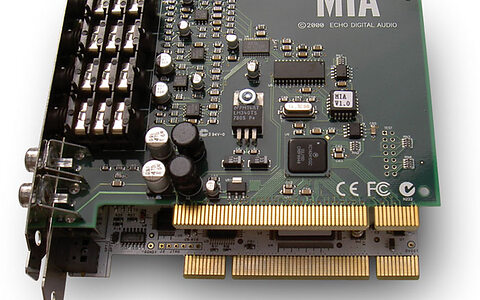
Your much-loved elderly PCI soundcard may be working perfectly, but might still have to go on the scrapheap if you upgrade your PC. Why? It's all down to the PCI specification and the location of your notches...
Your PC may well be the nerve-centre of your studio, so keeping it in top condition is worth a bit of effort. Read on for the SOS guide to inner and outer PC cleanliness.
While Mac users continue to wait in anticipation for new Mac hardware and software, we explore a really neat application you might not realise you even own, which lets you create your own MIDI- and audio-based visual performances.
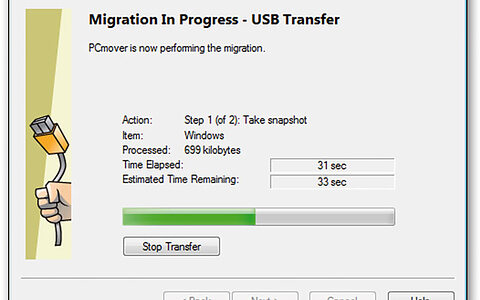
If you ever have to re-install all your software after a PC upgrade, there are tricks that can save you a lot of time, and also help you to be more organised in the future. PC Notes rounds them up, as well as keeping you up to date on Vista compatibility for musicians.
In your recent article 'Specifying and Building A Dual-core Desktop PC' (printed in SOS February 2007), the RAM chosen was specified for 1.9V. The selected Intel motherboard specifies 1.8V only. Why did this not result in failure to boot up?
With little new from Apple for musicians and audio engineers at the recent Macworld and NAMM shows, announcements from other manufacturers will allow Macbook Pro owners to take advantage of more sophisticated audio and DSP hardware while on the road.
As a PC user, one job you're almost sure to have to do at some point is a clean install of Windows, whether because you've built your own PC, as outlined in last month's issue, have suffered a serious crash, or have decided to change to a new OS. Here's what you need to know...