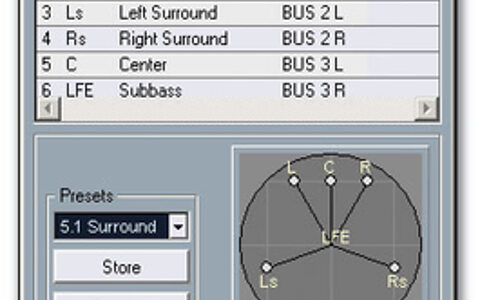
As more musicians and audio engineers begin to explore the potential of surround sound in project studios, we take a look at Cubase SX 2's revised multi-channel architecture, which gives it advanced surround capabilities.
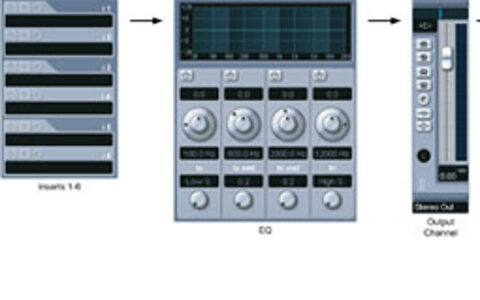
While Cubase's graphical environment makes the application easy to use, it's not always clear exactly where signals are being routed. This month, we open the virtual bonnet and take a look at signal routing in the VST 2.3 audio engine used in both Cubase SX and Nuendo 2
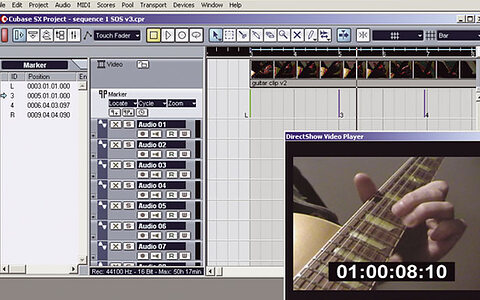
Until its recent update, Cubase SX did not have all the specific tools needed for easy tempo changes when, for example, working to picture — but a close look at the tools it does have reveals ways of getting the job done for those who haven't yet upgraded.
We look at how you can get the most out of Cubase and Reason using Rewire, and report on the release of the significant, yet seemingly insignificant, Cubase SX 2.01 revision.
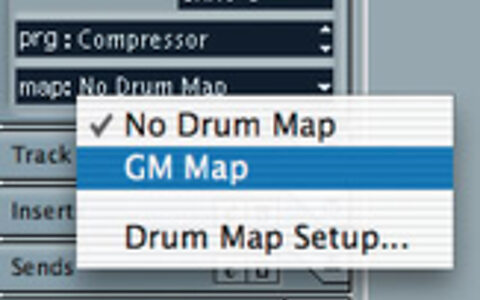
We report on Steinberg using Nuendo to record a three-day music festival, and look at how a Cubase Drum Map can assist you in finding and working with all the one-shot drum and percussion sounds in your studio.
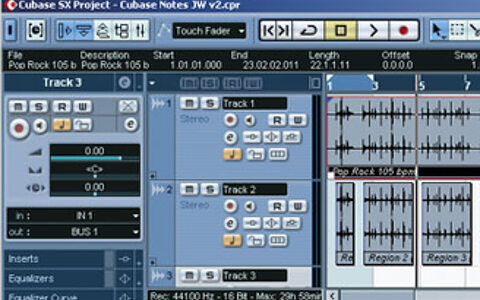
This first major revision to Steinberg's Cubase SX incorporates the newly developed audio engine from Nuendo 2, new features for media composers, and classic features from Cubase VST. Does it all add up to a substantial improvement over version 1?
The Drum Editor has been a part of Cubase for over 10 years now, and here we investigate its latest incarnation within Cubase SX, as well as bringing you news of a major update to Steinberg's popular sequencing software.
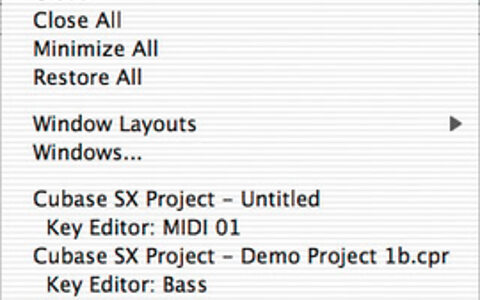
Your computer screen really doesn't need to be cluttered when you're working with Cubase's many windows, because Steinberg have provided handy window-management features.
Cubase SX has a Detect Silence feature and a Hitpoints feature that seem to me like they do pretty much the same thing. Are they different, and when should I use them?
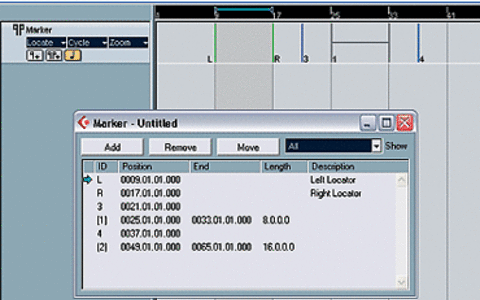
Navigating complex arrangements can often be frustrating, but by taking advantage of Cubase's Marker Track, you can easily define a structure to simplify the process.
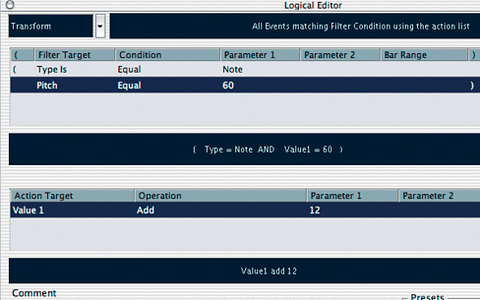
The Logical Editor window is a powerful way to process MIDI data in Cubase, although it can often appear daunting to new users. What's more, it provides excuses for writers to dust off their Mr Spock quotes.
The shape of the music-technology market changed dramatically in 2002, with the two largest German music software companies gaining new ownership from American corporations. Have Steinberg reached the summit with Pinnacle?
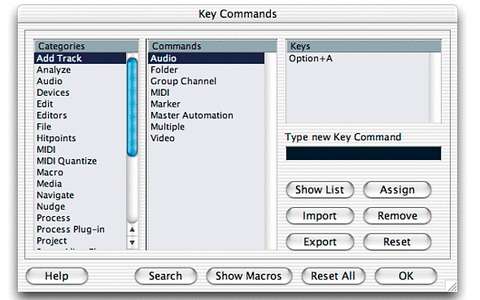
While using keyboard shortcuts in a sequencer is nothing new, this month we explain how Cubase SX/SL takes the idea further, and look at Hans Zimmer's unique solution for accessing Key Commands in Cubase.
Last month we explained how to derive a Cubase tempo from freely played MIDI. This time, we look at how to extract tempo data from unmetricised audio...











 SOUND ON SOUND