Mix Rescue: Remixing The Silent Majority
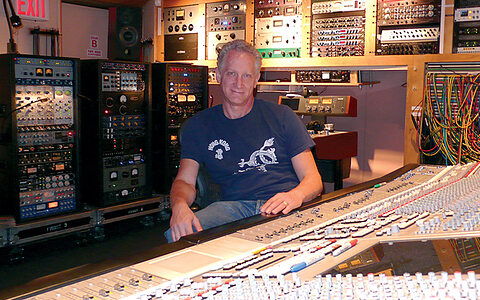
The Silent Majority: sometimes the best way to improve a mix is to take a break from it.
To find the exact phrase, put the words in quotes or join them together with a plus sign e.g. live+recording or "live recording".
To find, say, all live recording articles that mention Avid, enter: live+recording +avid - and use sidebar filters to narrow down searches further.

The Silent Majority: sometimes the best way to improve a mix is to take a break from it.


Soon, for the first time in 35 years, you will be a able to walk into a shop and buy a brand-new Minimoog. But will it be as good as the original? Find out in our exclusive review.

Persistence is a virtue every composer needs, but you can take it too far.

As recording live shows gets cheaper and easier, the line between live-sound engineer and producer blurs.

Designed by PandaMIDI in Hungary and inspired by the long-discontinued Akai Deep Impact, this unit adds a useful range of extra features.

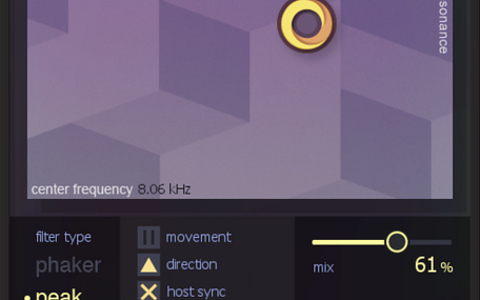
This inexpensive and conceptually simple plug-in, compatible with all iZotope’s usual Mac/PC formats, applies the principles of the Shepard Tone to filtering.

Designed to produce a wide range of mono or stereo delay-based effects, StompDelay's inbuilt multi-waveform modulation allows it to double as a flanger, chorus, tape echo or extreme effects generator.

The pop filter is one of those humble yet essential devices that you normally don’t pay too much attention to — which seems strange, really, when you consider that it’s the first thing in your vocal recording chain.

We clear up some of the issues surrounding cloud collaboration in Pro Tools 12.5.

PJ Harvey’s long-term co-producer John Parish is uncompromising in his willingness to experiment — even with the world watching!

Even at high sample rates, standard PCM audio ‘smears’ important timing information. A new digital format, MQA, promises vastly improved time-domain accuracy — without the huge file sizes.

Operating rather like a subwoofer in reverse, this crafty device controls low frequencies but takes up far less space than conventional bass traps.

I increasingly hear people extolling the virtues of a multi-bus system for mix processing, where you mix everything to a handful of parallel submasters, each with its own master-bus-style processing, before passing a mix of all those to the overall master bus. What’s the rationale behind this technique?

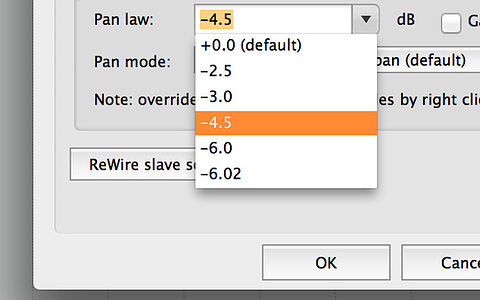
Can you explain what is meant by ‘panning law’ in the context of a DAW’s setup?

I’m struggling to understand what’s really happening when you use different compression ratios. Can you explain please?

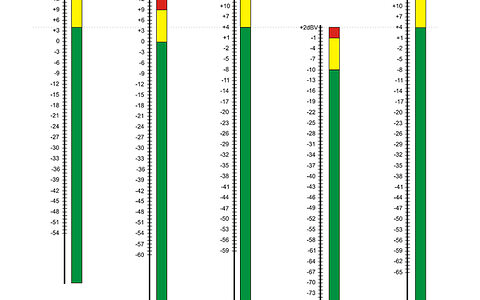
My outboard equalisers have no level or peak indicator, what would be the correct way to output the signal from my DAW (Logic) via an RME Fireface 800 audio interface?

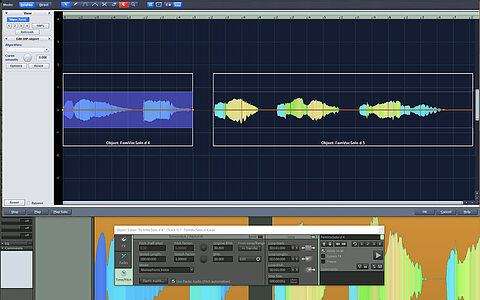
Samplitude’s Elastic Audio editor can be used for pitch correction, harmony generation, and more besides!

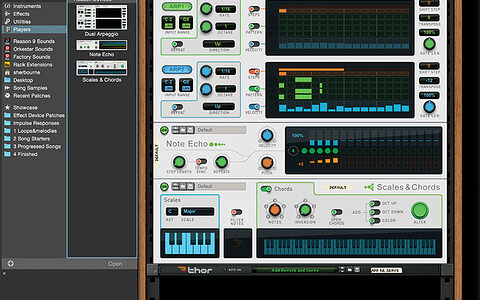
We look at what’s new in Reason 9 — including the power to change the background colour.

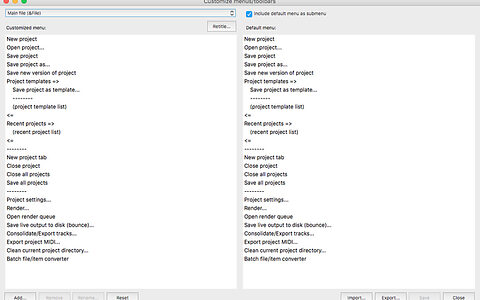
What you don’t like about Reaper, you can probably change!