You are here

Microphones / Miking

Microphones & Miking Techniques: An Introduction

When you enter the world of audio recording, one of the first tools you'll encounter is the Microphone. But with the variety available and the myriad ways to use them, it can be a daunting journey. This explainer aims to simplify that process for you.

1. What is a Microphone?

A microphone is a device that converts sound waves into electrical signals. At its core, it captures vibrations (from voices, instruments, or any other sounds) and translates them so they can be amplified, recorded, or transmitted. Different microphones are designed to capture sound in various ways and have distinct characteristics that make them ideal for specific tasks.

2. Types of Microphones

  • Dynamic Microphones - These mics are rugged, moisture-resistant, and can handle high sound pressure levels (SPL), making them perfect for live sound environments and studio applications. They use a diaphragm attached to a coil of wire, placed within the magnetic field of a magnet, which means they don't need a power source.
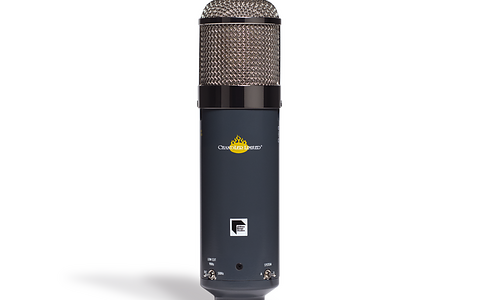
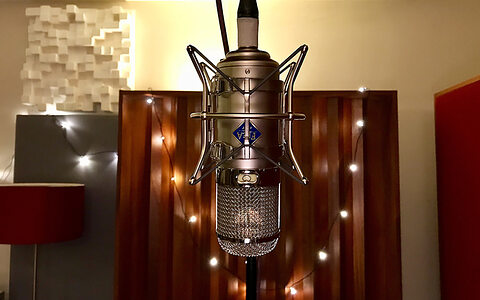
  • Condenser Microphones - These are more sensitive and offer a higher frequency response and louder output than dynamic mics. They're commonly used in studio recording settings. They require power (from batteries or phantom power) to charge their internal electronics.
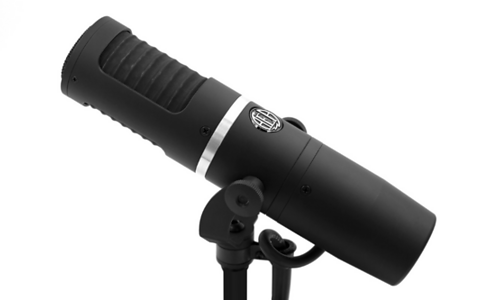
  • Ribbon Microphones - Known for their high quality and smooth character, ribbon mics capture sound with a thin strip of metal suspended in a magnetic field. They're fragile and typically used in studio environments.
  • Lavalier Microphones - These are small clip-on mics often seen in broadcasting for interviews and presentations.
  • Shotgun Microphones - With a very narrow area of sensitivity, or "polar pattern," these mics are used to pick up sound from a specific direction. They're commonly used in film and TV production.

3. Miking Techniques

  • Close Miking - Placing the microphone close to the sound source. This technique captures the direct sound and reduces the amount of ambient noise. It's commonly used in both live sound and studio recording.
  • Ambient Miking - Mics are placed at a distance from the sound source. This captures more of the room's acoustics and ambient noise, providing a more "natural" or "live" sound.
  • Stereo Miking - Uses two microphones to capture a stereo image. Common techniques include X/Y (where two cardioid mics are placed close together at a 90-degree angle) and spaced pair (where two mics are several feet apart).
  • Miking Drums - Each drum or cymbal can be miked individually (close miking) or a few overhead mics can be used to capture the entire kit (ambient miking).
  • Miking Guitars - For acoustic guitars, placing a mic near the 12th fret captures a balanced sound. Electric guitars are often miked by placing a microphone close to the amplifier's speaker.

4. Polar Patterns

This term refers to the sensitivity of a microphone to sounds arriving from different directions:

  • Cardioid Picks up sound best from the front.
  • Omnidirectional Picks up sound equally from all directions.
  • Bidirectional (or figure-of-eight) Picks up sound best from the front and back.
  • Supercardioid and Hypercardioid Have a narrower front pickup area but a small rear pickup area.

Explore Further

Choosing the right microphone and employing the best miking technique can dramatically impact the quality of your recordings. Whether you're capturing vocals, instruments, podcasts, or on-field sounds, understanding the basics outlined above can set you on the path to producing professional-level audio. Remember, experimentation is key: try different mics and techniques to find what works best for your unique situation! And check out all of the Sound On Sound articles listed below for plenty of buying advice and 'how to' techniques.

  • link

    Summer NAMM 18: Sontronics Mercury VE

    British tube mic gets vintage twist with Mullard valve

    We were really impressed by the original Mercury, a variable-pattern valve mic from British mic manufacturers...

    News
  • link
    lNBK6vB1eRE.jpg

    Summer NAMM 18: Roswell Audio Colares

    Brand new flagship condenser mic launched in Nashville

    The brand new large diaphragm condenser from Roswell Audio is based around an edge-terminated CK-12 capsule,...

    News
  • link

    Golden Age Project R1ST

    Stereo Ribbon Microphone

    Stereo ribbon mics can be enormously useful in the studio, and Golden Age’s new R1ST is a fine example at an accessible price.

    Reviews Jun 2018
  • link

    Miktek TDK5

    Drum Microphone Set

    This handy kit provides a useful one-stop solution for miking up drums on stage without breaking the bank.

    Reviews Jun 2018
  • link

    Samson G-Track Pro

    Multi-pattern USB Microphone

    The G-Track Pro is a full-size, multi-pattern studio mic, with its own headphone amp and heavy desk stand built in...

    Reviews Jun 2018
  • link

    Messe 2018: MXL Visual Podcasting Station

    MXL aim new AV kit at podcasters

    Seemingly, everybody these days loves a good podcast. From Serial to Science Vs, the format has enjoyed an...

    News
  • link
    iGGQh26rkQQ.jpg

    Messe 2018: Burg M1

    Modern tube mic references the classics

    At the Musikmesse, Burg Audio were showing a prototype of their first product, a high-end valve microphone...

    News
  • link

    Blue launch Custom Shop with Bottle Limited Edition

    Create your own signature mic with Blue

    Blue Microphones have announced the Blue Custom Shop and introduced its first offering, Bottle Limited...

    News
  • link

    Rode launch their first SoundField mic

    New Ambisonic mic to cost under $1000

    Australian mic makers Røde have announced their first foray into the world of ambisonics. Under the newly...

    News
  • link

    Extinct Audio BM9

    Passive Ribbon Microphone

    Born out of a successful microphone repair business, Extinct Audio’s first product is inspired by the classic Danish ribbon mics of old.

    Reviews Apr 2018
  • link

    Miktek T89

    Dynamic Microphone

    Miktek’s T89 dynamic follows a familiar physical format, offering a super-cardioid response and with a frequency range that extends right up to 19kHz.

    Reviews Apr 2018
  • link

    Rycote Stereo Cyclone

    Microphone Wind Shield

    Rycote's innovative Cyclone wind shielding device has been joined by a range of Stereo Cyclones. We test the MS4 kit with a Mid‑Sides stereo array of Sennheiser MKH30/40 microphones.

    Reviews Apr 2018
  • link

    Soyuz SU-023

    Cardioid Capacitor Microphone

    Soyuz’s classy new creation brings a Soviet-era capsule design in from the cold. But how does it sound?

    Reviews Apr 2018
  • link

    Save on Extinct Audio mics in April

    Special offer for SOS readers

    Extinct Audio are a new British microphone manufacturer, and their first product, the BM9 ribbon microphone, is reviewed in SOS April 2018.

    News
  • link

    Lewitt LCT 540 Subzero

    Large-diaphragm Capacitor Microphone

    Lewitt’s latest mic is so quiet that its noise floor is below the level of human hearing! But what about the sound you can hear?

    Reviews Mar 2018
  • link

    Q. Could a ribbon mic pick up too much room sound?

    A ribbon mic would be a very welcome addition to my collection, but would its figure-of-eight pattern mean I pick up more of the room tone compared with a cardioid condenser?

    Sound Advice Mar 2018
  • link

    Q. Why does my Electro-Voice RE20 hum?

    I don’t use my [Electro-Voice] RE20 mic all that much, but when I do I find it needs the preamps turned up an awful lot to capture usable audio, and consequently there’s often a hum in the recording...

    Sound Advice Mar 2018
  • link

    sE Electronics sE8

    Small-diaphragm Capacitor Microphone

    sE Electronics’ affordable new pencil mics prove themselves more than capable on a wide range of sources.

    Reviews Mar 2018
  • link

    NAMM 2018: Lewitt LCT 441 Flex

    New multi-pattern condenser mic features 'reverse polar patterns'

    With eight available polar patterns, including three 'reverse polar patterns' the LCT 441 Flex is an...

    News
  • link

    Josephson C725

    Large-diaphragm Valve Capacitor Microphone

    This high-end valve mic sounds every bit as classy as it looks, and a unique voicing switch adds to its versatility.

    Reviews Feb 2018
  • link

    Q. Is the SM57 really any good for snares?

    Loads of people recommend putting up an SM57 on the snare drum, but it just sounds dull and lifeless when I try to do that. Any tips?

    Sound Advice Feb 2018

Pages

Subscribe to RSS - Microphones / Miking