You are here

DAW Software

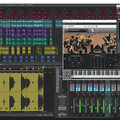
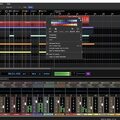
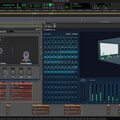
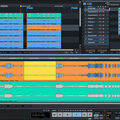
A DAW, which stands for Digital Audio Workstation, is a software tool that enables users to capture, modify, and create audio content. It is utilised in various contexts such as music production, sound design, game audio, film and TV post-production, and podcasting.

Primary uses of a DAW

The primary purposes of contemporary Digital Audio Workstation software comprise: 

Recording: All DAWs enable users to capture audio from different sources like microphones, instruments, and MIDI controllers using an Audio Interface connected to the computer.

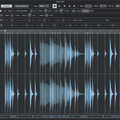
Editing:  DAWs enable users to cut, copy, paste, and rearrange sections of audio files. They also provide a range of tools for improving the quality of audio, including noise reduction, EQ, and compression.

Mixing: Digital Audio Workstations enable users to blend various audio tracks, modifying volumes, positioning, and adding effects to produce a unified end result.

Mastering: Digital Audio Workstations (DAWs) provide features like loudness normalisation and EQ adjustments to ensure the final audio meets industry standards.

Advantages of utilising a Digital Audio Workstation

Efficiency: DAWs enable users to efficiently record, edit, and produce audio with ease, cutting down on time and effort when compared to traditional analogue techniques.

Flexibility: DAWs offer a wide range of tools and features that allow users to customise their audio production process and achieve the desired results.

Collaboration: Numerous DAWs provide tools that enable users to work together and collaborate on projects from different locations, simplifying the process of collaborating on audio projects such as podcasts and song creation.

Portability: Digital Audio Workstations are compatible with different devices such as desktop computers (Mac/PC) , laptops and tablets, allowing users to work on audio projects conveniently from any location.

There are many popular software DAWs, some of which come built into the Operating System of your favourite computer, such as Apple GarageBand on Macs. Sound On Sound regularly covers all the top brands in its monthly DAW Masterclasses. From Steinberg Cubase and Avid Pro Tools, PreSonus Studio One and Apple Logic Pro, MOTU Digital Performer to Ableton Live, Reason Studios Reason and Cockos Reaper, you'll find how-to techniques and tips for all of these and other DAWs collected under the sections shown above.

  • link

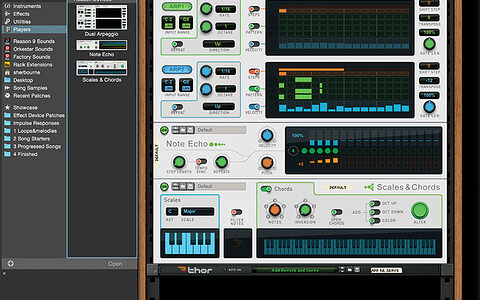
    Propellerhead Reason 9

    Music Production Software

    Propellerhead’s latest Reason update adds features you never knew you wanted — but which you might find indispensible.

    Reviews Sep 2016
  • link

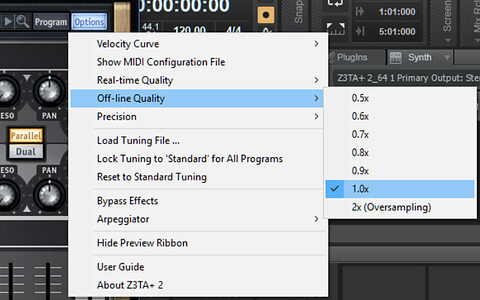
    Sonar: Upsampling Plug-ins

    Sonar Tips & Techniques

    Run your plug-ins at higher sample rates in Sonar.

    Techniques Sep 2016
  • link

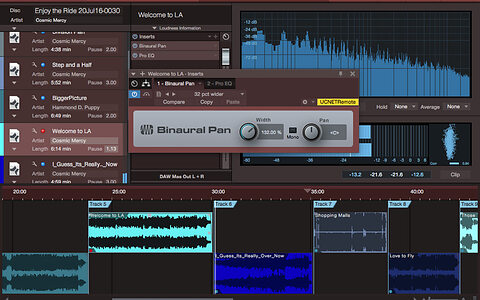
    Seamless Mixing & Mastering In Studio One's Project Page

    Studio One Tips & Techniques

    Studio One’s unique Project page lets you move seamlessly between mixing and mastering.

    Techniques Sep 2016
  • link

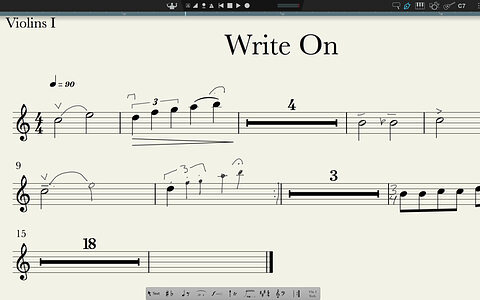
    PreSonus Notion 6/Studio One 3.3 now shipping

    Notion adds handwriting recognition and better integration

    PreSonus is now shipping Notion 6, a major upgrade to its popular notation software that adds handwriting recognition and fuller integration with Studio One 3.3...

    News
  • link

    Cubase: Groove Agent SE4's Acoustic Agent

    Cubase Tips & Techniques

    Cubase’s Groove Agent SE4 isn’t the most intuitive drum machine, but it’s well worth getting to grips with.

    Techniques Aug 2016
  • link

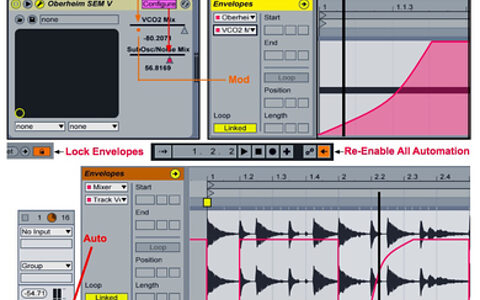
    Live: Automation

    Ableton Live Tips & Techniques

    We look at the different ways in which you can animate parameters in Ableton Live.

    Techniques Aug 2016
  • link

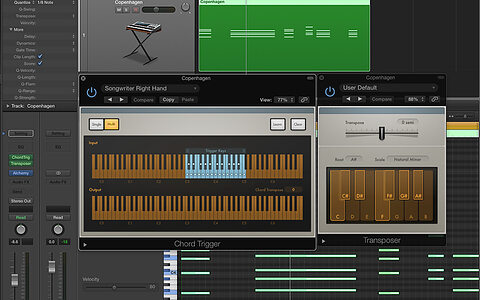
    Logic: Scale Quantise & MIDI Transposition

    Logic Tips & Techniques

    Easily play and write in any key with Logic Pro’s MIDI tools.

    Techniques Aug 2016
  • link

    Pro Tools: Cloud Collaboration FAQ

    Pro Tools Tips & Techniques

    We clear up some of the issues surrounding cloud collaboration in Pro Tools 12.5.

    Techniques Aug 2016
  • link

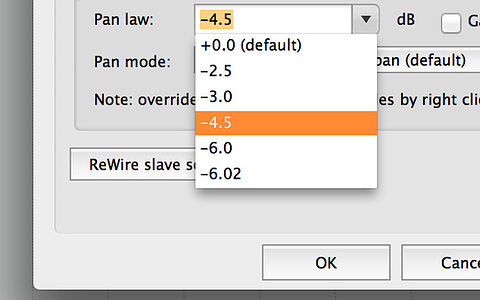
    Q. What pan-law setting should I use?

    Can you explain what is meant by ‘panning law’ in the context of a DAW’s setup?

    Sound Advice Aug 2016
  • link

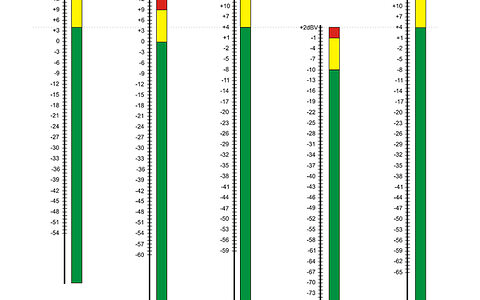
    Q. How do I set my DAW levels to match my hardware?

    My outboard equalisers have no level or peak indicator, what would be the correct way to output the signal from my DAW (Logic) via an RME Fireface 800 audio interface?

    Sound Advice Aug 2016
  • link

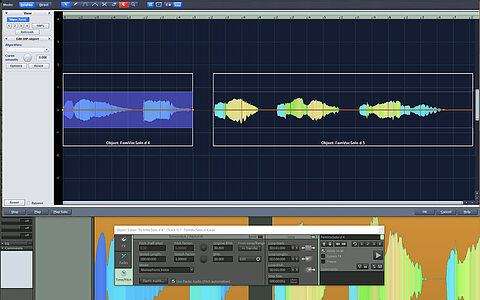
    Elastic Audio In Samplitude Pro X

    Samplitude Tips & Techniques

    Samplitude’s Elastic Audio editor can be used for pitch correction, harmony generation, and more besides!

    Techniques Aug 2016
  • link

    What's New In Reason v9

    Reason Tips & Techniques

    We look at what’s new in Reason 9 — including the power to change the background colour.

    Techniques Aug 2016
  • link

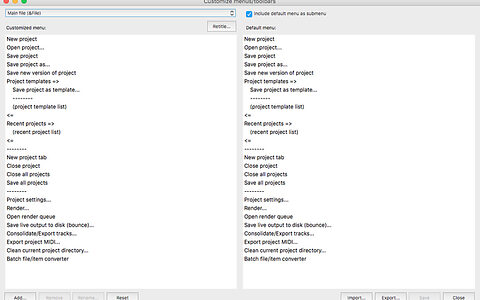
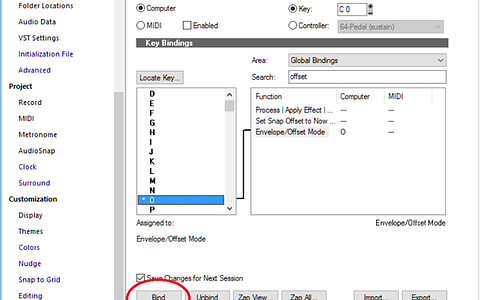
    Custom Menus & Toolbars In Reaper

    Reaper Tips & Techniques

    What you don’t like about Reaper, you can probably change!

    Techniques Aug 2016
  • link

    Cue Mix Options In Studio One

    Studio One Tips & Techniques

    Give your musicians the right cue mixes in Studio One, and you’ll make a huge difference to their performances.

    Techniques Aug 2016
  • link

    Upcoming Live 9.7 improves Push features

    Better sample manipulation, new drum layout & more

    Ableton have announced an update that brings big improvements for Push beatmakers: Live 9.7 is currently in...

    News
  • link

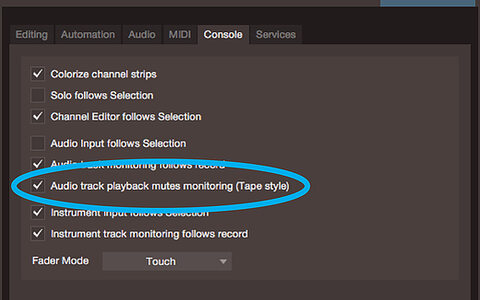
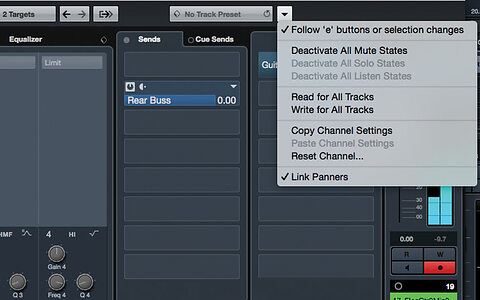
    Cubase: Parallel Bus Compression

    Cubase Tips & Techniques

    With Cubase, you can implement an innovative parallel compression technique first conceived by producer Andrew Scheps.

    Techniques Jul 2016
  • link

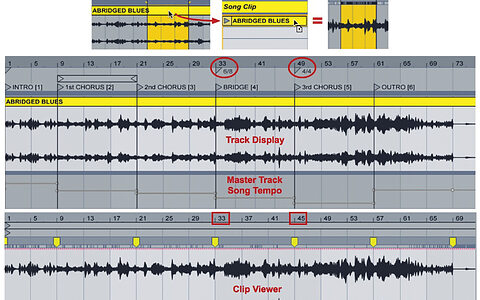
    Live: Arrangements

    Live Tips & Techniques

    We explore some useful functionality in Ableton Live’s often-overlooked Arrangement page.

    Techniques Jul 2016
  • link

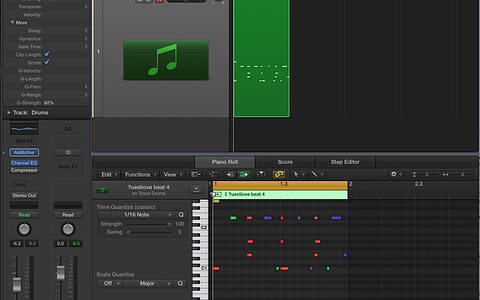
    Logic: Quantisation

    Logic Tips & Techniques

    Tighten up your timing without sounding robotic, using Logic’s quantisation features.

    Techniques Jul 2016
  • link

    Part 2: Cloud Collaboration In Pro Tools 12.5

    Pro Tools Tips & Techniques

    In the second part of our guide to Pro Tools’ cloud collaboration features, we learn how to exchange tracks with other musicians.

    Techniques Jul 2016
  • link

    Sonar: Automation

    Sonar Tips & Techniques

    Streamline your use of Sonar’s automation with these time-saving tips.

    Techniques Jul 2016
  • link

    Level Automation In Studio One

    Studio One Tips & Techniques

    Studio One offers the full gamut of automation features — but which ones are appropriate to your needs?

    Techniques Jul 2016

Pages

Subscribe to RSS - DAW Software