You are here

Microphones / Miking

Microphones & Miking Techniques: An Introduction

When you enter the world of audio recording, one of the first tools you'll encounter is the Microphone. But with the variety available and the myriad ways to use them, it can be a daunting journey. This explainer aims to simplify that process for you.

1. What is a Microphone?

A microphone is a device that converts sound waves into electrical signals. At its core, it captures vibrations (from voices, instruments, or any other sounds) and translates them so they can be amplified, recorded, or transmitted. Different microphones are designed to capture sound in various ways and have distinct characteristics that make them ideal for specific tasks.

2. Types of Microphones

  • Dynamic Microphones - These mics are rugged, moisture-resistant, and can handle high sound pressure levels (SPL), making them perfect for live sound environments and studio applications. They use a diaphragm attached to a coil of wire, placed within the magnetic field of a magnet, which means they don't need a power source.
  • Condenser Microphones - These are more sensitive and offer a higher frequency response and louder output than dynamic mics. They're commonly used in studio recording settings. They require power (from batteries or phantom power) to charge their internal electronics.
  • Ribbon Microphones - Known for their high quality and smooth character, ribbon mics capture sound with a thin strip of metal suspended in a magnetic field. They're fragile and typically used in studio environments.
  • Lavalier Microphones - These are small clip-on mics often seen in broadcasting for interviews and presentations.
  • Shotgun Microphones - With a very narrow area of sensitivity, or "polar pattern," these mics are used to pick up sound from a specific direction. They're commonly used in film and TV production.

3. Miking Techniques

  • Close Miking - Placing the microphone close to the sound source. This technique captures the direct sound and reduces the amount of ambient noise. It's commonly used in both live sound and studio recording.
  • Ambient Miking - Mics are placed at a distance from the sound source. This captures more of the room's acoustics and ambient noise, providing a more "natural" or "live" sound.
  • Stereo Miking - Uses two microphones to capture a stereo image. Common techniques include X/Y (where two cardioid mics are placed close together at a 90-degree angle) and spaced pair (where two mics are several feet apart).
  • Miking Drums - Each drum or cymbal can be miked individually (close miking) or a few overhead mics can be used to capture the entire kit (ambient miking).
  • Miking Guitars - For acoustic guitars, placing a mic near the 12th fret captures a balanced sound. Electric guitars are often miked by placing a microphone close to the amplifier's speaker.

4. Polar Patterns

This term refers to the sensitivity of a microphone to sounds arriving from different directions:

  • Cardioid Picks up sound best from the front.
  • Omnidirectional Picks up sound equally from all directions.
  • Bidirectional (or figure-of-eight) Picks up sound best from the front and back.
  • Supercardioid and Hypercardioid Have a narrower front pickup area but a small rear pickup area.

Explore Further

Choosing the right microphone and employing the best miking technique can dramatically impact the quality of your recordings. Whether you're capturing vocals, instruments, podcasts, or on-field sounds, understanding the basics outlined above can set you on the path to producing professional-level audio. Remember, experimentation is key: try different mics and techniques to find what works best for your unique situation! And check out all of the Sound On Sound articles listed below for plenty of buying advice and 'how to' techniques.

  • News
  • link

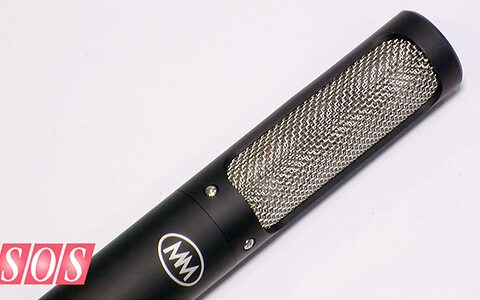
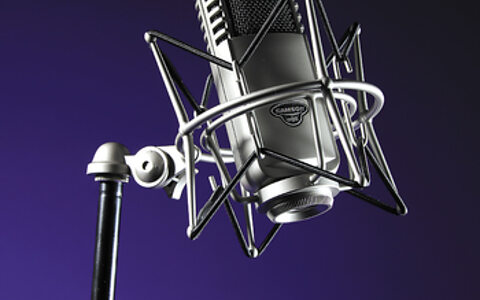
    Samson VR88

    Active Ribbon Microphone

    Samson's versatile and affordable active ribbon performs surprisingly well for the price — especially on electric guitar.

    Reviews Jul 2014
  • link

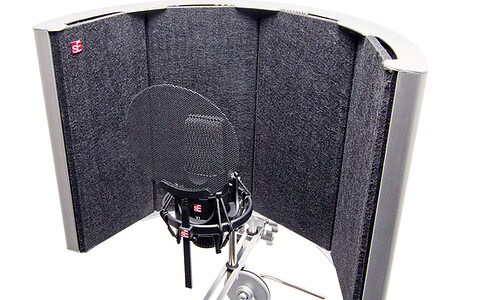
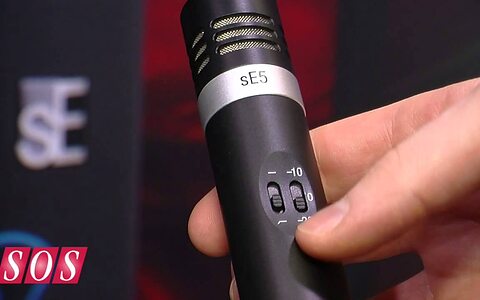
    SE Electronics SE5

    Cardioid Capacitor Microphone

    With its extended frequency response and high SPL handling ability, the SE5 could prove to be the company's most versatile mic to date.

    Reviews Jul 2014
  • link

    Microphone Accessories

    Spotlight

    Peripheral VisionMany microphone‑recording peripherals have the power to not only make your life easier, but to make your...

    Reviews Jul 2014
  • link

    Lewitt appoint Beatbox Entertainment as India Distributor

    Austrian mics launched at Palm Expo, Mumbai

    The Vienna-based microphone company Lewitt has officially launched its presence in India at Palm Expo, Mumbai, by...

    News
  • link

    SE Electronics SE X1 USB

    USB Capacitor Microphone

    The affordable sE Electronics sE X1 capacitor microphone is now available with an onboard USB converter, so that it can be...

    Reviews Jun 2014
  • link

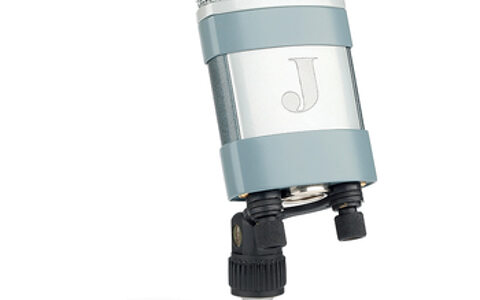
    JZ Microphones J1

    Cardioid Capacitor Microphone

    Latvian mic specialists JZ aim to bring their distinctive design and quality sound within reach of the masses. Have they succeeded?

    Reviews May 2014
  • link

    Q. Do I need to think about matching mic and preamp impedances?

    I have some vintage Tweed mic preamps which have an input impedance of 1kΩ, and I know most mics have an output impedance of...

    Sound Advice May 2014
  • link

    SE Electronics Magneto

    Cardioid Capacitor Microphone

    SE's first back-electret microphone offers impressive performance at a surprisingly low price.

    Reviews May 2014
  • link
    DPA Microphones body-worn solutions

    DPA show new Necklace Microphone at NAB 2014

    Ideal solution for reality TV launched

    DPA Microphones are introducing their latest headset and miniature microphone products at the 2014 NAB Show. These are the new...

    News
  • link

    AEA N22

    Active Ribbon Microphone

    AEA's new N22 hopes to bring the coveted ribbon-mic sound up to date and within reach of the masses. We power it up...

    Reviews Apr 2014
  • link

    Audio-Technica AT2020 USB+

    USB Capacitor Microphone

    Audio-Technica's AT2020 USB cardioid has been upgraded; how does it fare?

    Reviews Apr 2014
  • link

    Peluso P84

    Capacitor Microphone

    Peluso's enviable reputation for building 'homages' to vintage mics looks set to continue with this tribute to Neumann's classic KM84.

    Reviews Apr 2014
  • link

    Studio SOS: Imran Khan

    Optimising Your Studio Space

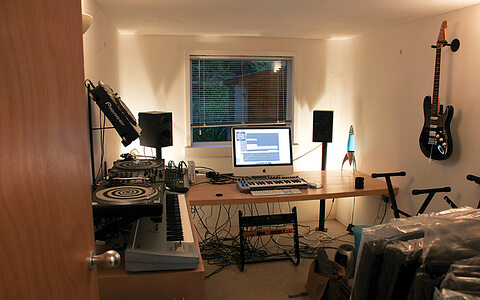
    We visit a reader's studio in a converted garage to improve the acoustics, and to advise on mic selection and recording techniques for electric and acoustic guitar.

    Techniques Apr 2014
  • link

    Aratech announce AR app for monitoring mic directivity

    Arapolarmic uses augmented reality to show you mic polar patterns

    Spanish audio company Aratech have announced their first product: Arapolarmic. Arapolarmic is a software...

    News
  • link

    Audio-Technica AT2020 USB+

    USB Capacitor Microphone

    The improved AT2020 USB+ adds a headphones output to monitor what you recorded, and its bundled accessories include a conventional stand-mounting swivel clamp, a small tripod desk stand and a 10 foot USB cable.

    Reviews Mar 2014
  • link

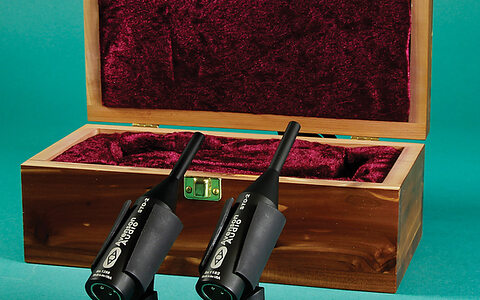
    Avenson STO2

    Omnidirectional Microphones

    Need a stereo pair of high-quality omni mics for under £500$600? Look no further!

    Reviews Mar 2014
  • link

    DPA D:Facto II

    Handheld Capacitor Microphone

    Danish mic legends DPA take their considerable mic-designing experience to the stage — with impressive results.

    Reviews Mar 2014
  • link
    KTZXIfnJkKE.jpg

    NAMM 2014: Cathedral Pipes Microphones

    Hand-made mics from Orange County

    We caught up with founder of Cathedral Pipes Microphones and all-round good guy Chuck Dickinson, who tells us the story of how he started making microphones and sheds some light on his range of mics.

    News
  • link
    KTZXIfnJkKE.jpg

    NAMM 2014: Cathedral Pipes Microphones

    Hand-made microphones from Orange County, CA

    During the Winter NAMM show, Hall E of the Anaheim Conference Centre plays host to a range of newcomers. This year, we caught up with founder of Cathedral Pipes Microphones and all-round good guy, Chuck Dickinson. 

    Chuck tells us the story of how he started making microphones and sheds some light on his range of mics.

    News
  • link
    tKWvvBZHjTM.jpg

    NAMM 2014: SE Electronics SE5

    Small diaphragm microphone

    The SE5 from SE Electronics is the successor to the hugely popular SE4 small diaphragm condenser and does away with the interchangeable capsule in favour of a fixed cardioid pattern capsule.

    News

Pages

Subscribe to RSS - Microphones / Miking