You are here

Microphones / Miking

Microphones & Miking Techniques: An Introduction

When you enter the world of audio recording, one of the first tools you'll encounter is the Microphone. But with the variety available and the myriad ways to use them, it can be a daunting journey. This explainer aims to simplify that process for you.

1. What is a Microphone?

A microphone is a device that converts sound waves into electrical signals. At its core, it captures vibrations (from voices, instruments, or any other sounds) and translates them so they can be amplified, recorded, or transmitted. Different microphones are designed to capture sound in various ways and have distinct characteristics that make them ideal for specific tasks.

2. Types of Microphones

  • Dynamic Microphones - These mics are rugged, moisture-resistant, and can handle high sound pressure levels (SPL), making them perfect for live sound environments and studio applications. They use a diaphragm attached to a coil of wire, placed within the magnetic field of a magnet, which means they don't need a power source.
  • Condenser Microphones - These are more sensitive and offer a higher frequency response and louder output than dynamic mics. They're commonly used in studio recording settings. They require power (from batteries or phantom power) to charge their internal electronics.
  • Ribbon Microphones - Known for their high quality and smooth character, ribbon mics capture sound with a thin strip of metal suspended in a magnetic field. They're fragile and typically used in studio environments.
  • Lavalier Microphones - These are small clip-on mics often seen in broadcasting for interviews and presentations.
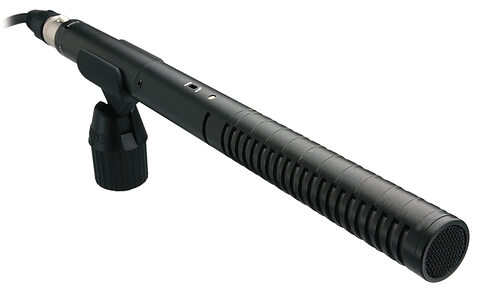
  • Shotgun Microphones - With a very narrow area of sensitivity, or "polar pattern," these mics are used to pick up sound from a specific direction. They're commonly used in film and TV production.

3. Miking Techniques

  • Close Miking - Placing the microphone close to the sound source. This technique captures the direct sound and reduces the amount of ambient noise. It's commonly used in both live sound and studio recording.
  • Ambient Miking - Mics are placed at a distance from the sound source. This captures more of the room's acoustics and ambient noise, providing a more "natural" or "live" sound.
  • Stereo Miking - Uses two microphones to capture a stereo image. Common techniques include X/Y (where two cardioid mics are placed close together at a 90-degree angle) and spaced pair (where two mics are several feet apart).
  • Miking Drums - Each drum or cymbal can be miked individually (close miking) or a few overhead mics can be used to capture the entire kit (ambient miking).
  • Miking Guitars - For acoustic guitars, placing a mic near the 12th fret captures a balanced sound. Electric guitars are often miked by placing a microphone close to the amplifier's speaker.

4. Polar Patterns

This term refers to the sensitivity of a microphone to sounds arriving from different directions:

  • Cardioid Picks up sound best from the front.
  • Omnidirectional Picks up sound equally from all directions.
  • Bidirectional (or figure-of-eight) Picks up sound best from the front and back.
  • Supercardioid and Hypercardioid Have a narrower front pickup area but a small rear pickup area.

Explore Further

Choosing the right microphone and employing the best miking technique can dramatically impact the quality of your recordings. Whether you're capturing vocals, instruments, podcasts, or on-field sounds, understanding the basics outlined above can set you on the path to producing professional-level audio. Remember, experimentation is key: try different mics and techniques to find what works best for your unique situation! And check out all of the Sound On Sound articles listed below for plenty of buying advice and 'how to' techniques.

  • link

    Q. Does my shotgun mic have any uses in the studio?

    I've recently inherited a shotgun mic that seems to be in pretty good condition. However, I never do any kind of video or...

    Sound Advice Aug 2011
  • link

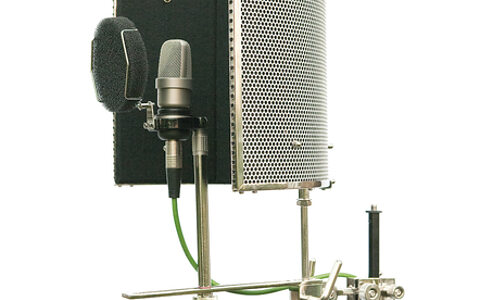
    Q. Is a 'reflection filter' worth the money?

    I've been thinking about trying out an SE Reflexion Filter or similar device. So far, however, I've been hearing mixed reviews...

    Sound Advice Aug 2011
  • link

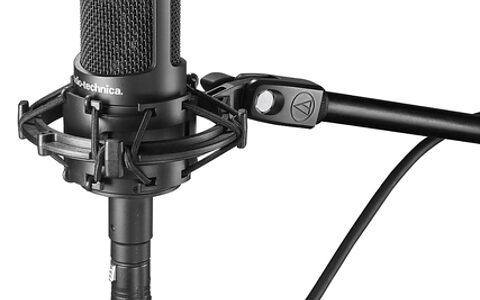
    Q. How should I use my new multi‑pattern microphone?

    Having been using a cardioid mic for some time, I've just bought an Audio‑Technica AT2050. Although my decision was partly...

    Sound Advice Aug 2011
  • link
    Test Plot 1

    Dave Hill Designs Europa 1 | Media

    Microphone Preamp

    Test plots to accompany the article.

    Reviews Jul 2011
  • link

    Q. Can you help me choose my first pair of mics?

    I'm buying my first pair of microphones, and my budget is limited. I want the microphones to perform well in church choir...

    Sound Advice Jul 2011
  • link

    Samson Meteor

    USB Microphone

    R2D2 meets podcasting! Matt Houghton investigates...

    Reviews Jul 2011
  • link

    Violet Designs Garnet

    Multi-pattern Valve Microphone

    Violet bid for a place at the higher end of the mic market with this vintage-styled valve model. Will it turn out to be a real gem?

    Reviews Jul 2011
  • link

    Violet Designs Garnet | Media

    Multi-pattern Valve Microphone

    These audio files accompany the Violet Designs Garnet review that featured in SOS July 2011.

    Reviews Jul 2011
  • link

    Pearl ELM‑A

    Multi‑pattern Dual‑output Capacitor Microphone

    Mixing the benefits of ribbon smoothness and condenser flexibility, Pearl show us that it really is hip to be, erm... rectangular.

    Reviews Jun 2011
  • link

    Prodipe Lamp Studio Pro

    Multi‑pattern Valve Microphone

    Is this a versatile mic that shines out as a bargain for the home‑studio recordist — or is it as light on features as it is on the pocket?

    Reviews Jun 2011
  • link

    AKG Perception 120 USB

    USB Microphone

    Paul White investigates AKG's chunky USB offering.

    Reviews May 2011
  • link

    Miktek CV4

    Multi-pattern Valve Microphone

    Nashville-based Miktek shouldn't be short of chances to test their mics — but how did they fare in their first ever SOS review?

    Reviews May 2011
  • link

    Miktek CV4 | Media

    Multi-pattern Valve Microphone

    Audio files to accompany the article.

    Reviews May 2011
  • link

    MXL R144

    Ribbon Microphone

    If you're looking for classic ribbon-mic warmth and smoothness on the tightest of budgets, this mic may be for you...

    Reviews May 2011
  • link

    MXL R144 | Media

    Ribbon Microphone

    Audio files to accompany the article.

    Reviews May 2011
  • link

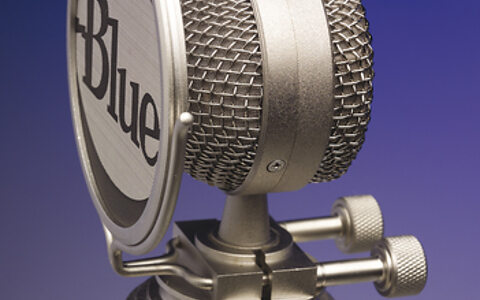
    Blue Spark

    Capacitor Microphone

    Is there more than an eye-catching new livery to spark interest in Blue's latest mic?

    Reviews Apr 2011
  • link

    Q. Can I use an SM58 as a kick-drum mic?

    I'll be doing a session with lots of mics and I'm going to be running out of gear choices without hiring, begging or stealing...

    Sound Advice Apr 2011
  • link

    Rode Videomic Pro

    Shotgun Microphone

    Building on the success of its predecessor, the Videomic Pro is a convenient, lightweight shotgun mic.

    Reviews Apr 2011
  • Sound Advice Mar 2011
  • link

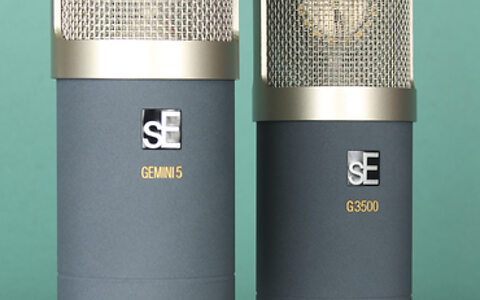
    SE Gemini 5 & G3500

    Large-diaphragm Condenser Mics

    SE's new siblings employ the same capsule as previous Gemini designs - but they're very different mics...

    Reviews Mar 2011
  • link

    Q. If speakers have to be 'anchored', why don't mics?

    As I understand it, loudspeakers create sound and momentum, which needs to be absorbed in order for the sound quality to be...

    Sound Advice Feb 2011

Pages

Subscribe to RSS - Microphones / Miking