Cost-effective MIDI
If you're looking for a cost-effective way into MIDI music making, the Atari is still a good option, as Derek Johnson explains.

If you're looking for a cost-effective way into MIDI music making, the Atari is still a good option, as Derek Johnson explains.

The advent of digital television has opened the eyes of many more musicians to the possibility of working on music for picture. John Walden trawls the Net to see what advice is available for those who want to score.

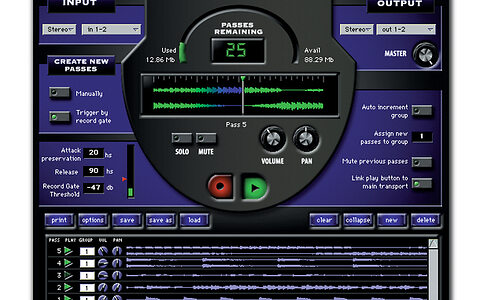
The Interactive Phrase Synthesizer is one of those parts of Cubase that most of us know exist, but which few have actually used. We take a look at what it can do, as well as offering some handy tips on setting up loops and introducing the idea of controlling your computer remotely...

Simon Price concludes his three-part series on Digidesign's flagship recording system with some power-user hints and tips.

Paul Wiffen reports on some historic developments for Mac musicians, as Apple announce their official support for the mLAN interface standard, and also comes to the rescue of more readers seeking advice.

The sampler has made its presence felt throughout modern music production, and phrase sampling in particular is the backbone of many musical styles. Oli Bell arms his loop points and explores some tricks of the trade.

Sam Inglis demostrates how you might furhter enrich your lyric writing with the use of comparisons.

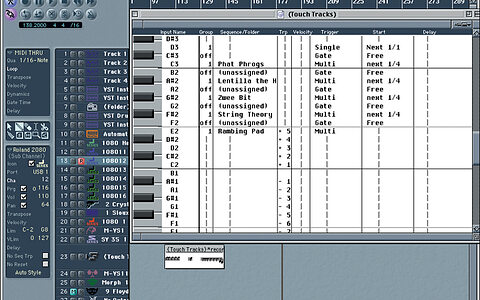
We look at the creative potential of Logic's Touch Tracks feature and the corrective potential of the audio fade-in, as well as showing you what 'solo safe' is and why you need it.

Modern software allows you to turn a spare PC into a synth of sampler that's perfectly tailored to the needs of your studio. Martin Walker tells you how.

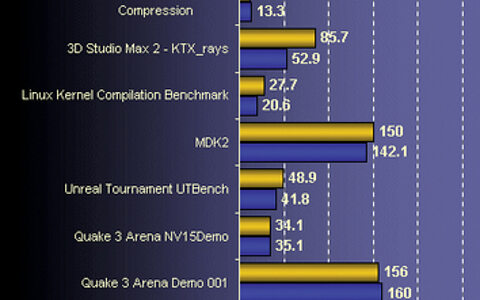
Martin Walker looks at Intel's new Pentium 4 processor, and catalogues the Cubase 5.02 update debacle.

Logic and Cubase owners have had their own dedicated SOS columns for several months — so we're now devoting space to another of the world's favourite sequencers, MOTU's Digital Performer. Long-standing DP user Robin Bigwood presents the first of this regular column.

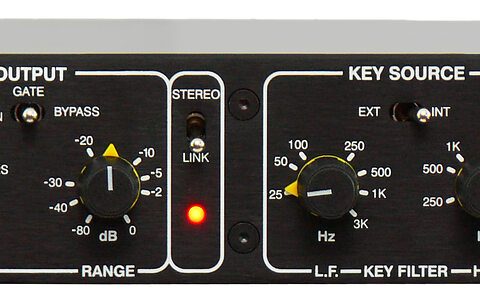
Paul White reveals that there's much more to gating than you might think.

Gordon Reid embarks on a journey to synthesize convincing woodwind and brass. This month, he considers how these instruments make their sounds in real life.

Simon Price continues his look at Pro Tools, focusing this month on the software and how it can be used in the studio alongside other MIDI + Audio recording and editing applications.

The facilities that Cubase offers for manipulating note legnths may not be amongst its most exciting features, but as this month's Cubase Notes demonstrates, they can prove to be invaluable.

Hugh Robjohns and Mike Senior explains how to get great results when creating arrangements one track at a time.

This month Martin Walker takes software samplers as his theme, offering advice about avoiding glitches when using them with other applications, and bringing news of a forthcoming sampling VST Instrument.

When your studio just won't co-operate and there's no-one to turn to, the pool of knowledge and expertise offered by fellow web users can be a life saver. Chris Carter investigates troubleshooting on the open-all-hours Internet.

Derek Johnson plugs a new, free online magazine for Atari users, and explores a composition tool with an interesting angle on film music production.

This month, we see how best to comp performances within Logic, and we also show you a neat trick for finding new guitar fingerings.