Cubase: Frequency 2’s Dynamic EQ | Audio
Check out these audio examples which accompany the September 2021 Cubase workshop on Dynamic EQ using Frequency 2.

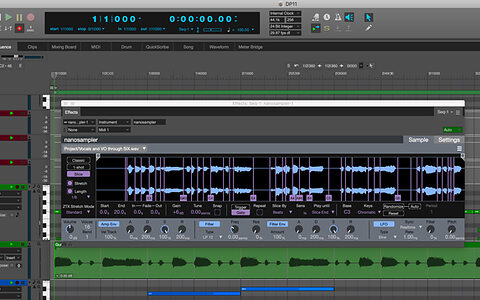
We guide you through DP’s pitch‑shifting and time‑stretching options.

Get creative with Studio One’s FX Chains.

Go beyond the pan pot with Logic’s Direction Mixer.

In Frequency 2, Cubase 11 Pro has a powerful dynamic EQ.

The newest version of Pro Tools offers much for both native and HDX users.

We show you how to get great results from self‑recording singers.

We check out Reason’s high‑res new look.

When asked to pick a favourite sound that he’s worked on, English producer and mixing engineer Tim Palmer nominates the radio speaker guitar intro from Pearl Jam's ‘Black’.

Polo G could have worked with any superstar mix engineer on the planet. Instead, he chose relative unknown Todd Hurtt to mix his hit album Hall Of Fame.

Gaming is a huge industry, and the thriving indie sector provides plenty of opportunities for new composers.

Producer and engineer David Bottrill is legendary for his work with Peter Gabriel, Tool, Muse, Smashing Pumpkins and Staind....

In this episode, Eddie Bazil discusses using Transient Shapers in place of EQ and provides six practical examples.
by John Walden
These audio examples accompany my Cubase workshop in SOS August 2021, in which i...

In Studio One, Layers are all about the wonderful world of managing multiple takes.

We explore some of the less common uses for Markers and Memory Locations.

HOFA‑College’s tutors have analysed more than 21,000 student mixes. We draw on this practical experience to identify the five most common mistakes made by beginners.

We explore some ways in which creative mixing can add life to a sample‑based production.

Imogen Heap and Chagall are among the artists pioneering new ways of interacting with synths and effects, courtesy of the Glover software.

Live 11’s new Take Lanes make creating a composite from alternative takes (comping) much easier for both MIDI and audio tracks.