You are here

Microphones / Miking

Microphones & Miking Techniques: An Introduction

When you enter the world of audio recording, one of the first tools you'll encounter is the Microphone. But with the variety available and the myriad ways to use them, it can be a daunting journey. This explainer aims to simplify that process for you.

1. What is a Microphone?

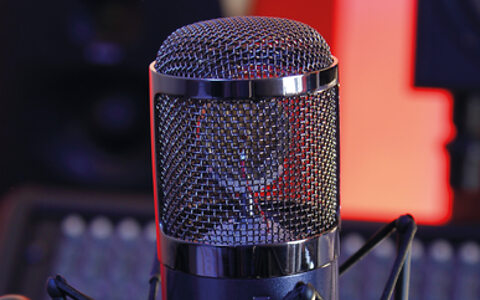
A microphone is a device that converts sound waves into electrical signals. At its core, it captures vibrations (from voices, instruments, or any other sounds) and translates them so they can be amplified, recorded, or transmitted. Different microphones are designed to capture sound in various ways and have distinct characteristics that make them ideal for specific tasks.

2. Types of Microphones

  • Dynamic Microphones - These mics are rugged, moisture-resistant, and can handle high sound pressure levels (SPL), making them perfect for live sound environments and studio applications. They use a diaphragm attached to a coil of wire, placed within the magnetic field of a magnet, which means they don't need a power source.
  • Condenser Microphones - These are more sensitive and offer a higher frequency response and louder output than dynamic mics. They're commonly used in studio recording settings. They require power (from batteries or phantom power) to charge their internal electronics.
  • Ribbon Microphones - Known for their high quality and smooth character, ribbon mics capture sound with a thin strip of metal suspended in a magnetic field. They're fragile and typically used in studio environments.
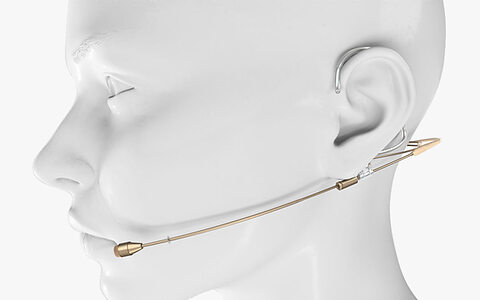
  • Lavalier Microphones - These are small clip-on mics often seen in broadcasting for interviews and presentations.
  • Shotgun Microphones - With a very narrow area of sensitivity, or "polar pattern," these mics are used to pick up sound from a specific direction. They're commonly used in film and TV production.

3. Miking Techniques

  • Close Miking - Placing the microphone close to the sound source. This technique captures the direct sound and reduces the amount of ambient noise. It's commonly used in both live sound and studio recording.
  • Ambient Miking - Mics are placed at a distance from the sound source. This captures more of the room's acoustics and ambient noise, providing a more "natural" or "live" sound.
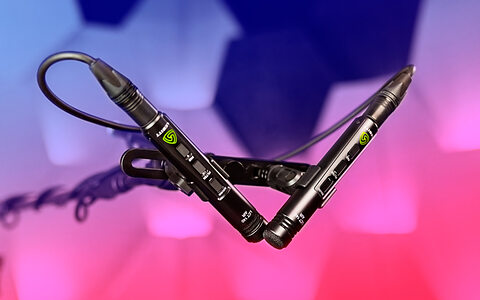
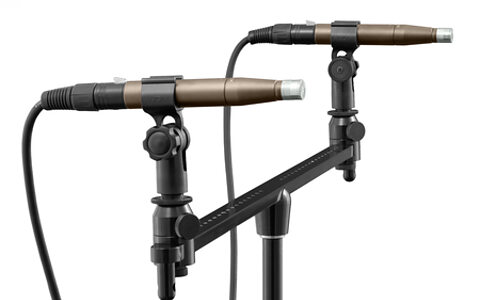
  • Stereo Miking - Uses two microphones to capture a stereo image. Common techniques include X/Y (where two cardioid mics are placed close together at a 90-degree angle) and spaced pair (where two mics are several feet apart).
  • Miking Drums - Each drum or cymbal can be miked individually (close miking) or a few overhead mics can be used to capture the entire kit (ambient miking).
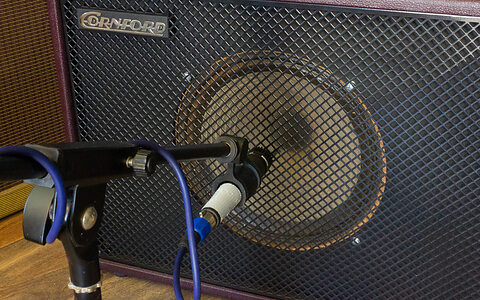
  • Miking Guitars - For acoustic guitars, placing a mic near the 12th fret captures a balanced sound. Electric guitars are often miked by placing a microphone close to the amplifier's speaker.

4. Polar Patterns

This term refers to the sensitivity of a microphone to sounds arriving from different directions:

  • Cardioid Picks up sound best from the front.
  • Omnidirectional Picks up sound equally from all directions.
  • Bidirectional (or figure-of-eight) Picks up sound best from the front and back.
  • Supercardioid and Hypercardioid Have a narrower front pickup area but a small rear pickup area.

Explore Further

Choosing the right microphone and employing the best miking technique can dramatically impact the quality of your recordings. Whether you're capturing vocals, instruments, podcasts, or on-field sounds, understanding the basics outlined above can set you on the path to producing professional-level audio. Remember, experimentation is key: try different mics and techniques to find what works best for your unique situation! And check out all of the Sound On Sound articles listed below for plenty of buying advice and 'how to' techniques.

  • link
    Sontronics Podcast Pro

    Sontronics expand Podcast Pro mic range

    New colours for podcasting mics, plus accessories unveiled

    Podcast Pro now available in a range of colours, plus new podcasting mic stand and interface unveiled.

    News
  • link

    Audix A131 & A133

    Large-diaphragm Capacitor Microphones

    We try out two diminutive studio mics from respected US brand Audix.

    Reviews Mar 2021
  • link

    Buying A Vintage-inspired Microphone

    Classix Nouveau

    Everyone loves classic microphones, but few of us can afford them! We survey the hundreds of modern recreations on the market, and explain what to look for when you’re choosing one for your studio.

    Sound Advice Mar 2021
  • link

    Legendary Studio Mics You Can Still Buy New

    True Originals

    Classic equipment doesn’t have to be old and unreliable. Many famous studio microphones are still current products...

    Reviews Mar 2021
  • link

    Earthworks Icon Pro

    Cardioid Capacitor Microphone

    Earthworks throw their hat into the podcasting ring, with the chic and refined Icon Pro.

    Reviews Mar 2021
  • link

    How To Mic Anything

    Get A Decent Result Every Time!

    Recording an instrument you’ve not encountered before can seem daunting. Here’s a rule of thumb that guarantees a decent result every time.

    Techniques Mar 2021
  • link

    For The Love Of Mic

    Leader

    No‑one can tell you exactly what to buy without knowing more about your circumstances, your preferences, your studio and the things you’re likely to be recording. And the best person to come up with those answers is you.

    People Mar 2021
  • link

    Choosing & Using Microphone Polar Patterns

    Polar Exploration

    Choose a mic with the optimum polar pattern for the job, and you’re halfway to capturing a great recording.

    Techniques Mar 2021
  • link

    Rupert Neve 1926-2021

    Legendary designer dies aged 94

    We are very sad to report the death of Rupert Neve, perhaps the most important and influential designer in recording-studio history.

    News
  • link
    Audix A131 & A133

    Audix A131 & A133 now available

    Large-diaphragm capacitor mics

    Large-diaphragm mics first announced last year are now shipping worldwide.

    News
  • link

    JZ Microphones BB29

    Cardioid Capacitor Microphone

    Boutique Latvian company JZ Microphones have earned a reputation for their classy mics, and their latest design doesn’t disappoint.

    Reviews Feb 2021
  • link

    Recording Drum Kits With Only Two Mics

    Five Miking Techniques

    While experimenting with ‘minimal’ drum‑miking setups during a recent lockdown, the author found them really inspiring and captured some great drum sounds. So is it time you re-evaluated the decisions you make when recording a kit?

    Techniques Feb 2021
  • link

    Scope Labs Periscope

    Omnidirectional Microphone

    With its built‑in compressor set to ‘smash’, the Periscope earns its place in more sessions than you’d think.

    Reviews Feb 2021
  • Techniques Feb 2021
  • link
    Abbey Road Studios Spatial Audio

    Abbey Road Studios Spatial Audio Forum | Podcast

    SOS Technical Editor Hugh Robjohns chats to Mirek Stiles about the Spatial Audio Forum and how everyone can get involved in creating 3D audio environments using basic recording equipment.

    People Feb 2021
  • link
    Oktava MK-207

    NAMM 2021: Oktava MK-207

    Cardioid capacitor mic unveiled

    The newest release from the established Russian mic brand is a handheld vocal capacitor microphone.

    News
  • link
    Tascam TM-70

    Two new dynamic mics from Tascam

    New models aimed at performers and broadcasters

    These moving-coil microphones are designed for spoken and sung vocals.

    News
  • link

    Griffon Fuzzyphone

    Dynamic Microphone

    Griffon’s new Fuzzyphone is part microphone, part fuzzbox!

    Reviews Jan 2021
  • link

    Mojave MA-50

    Cardioid Microphone

    Mojave’s most affordable mic yields great results on a wide range of sources.

    Reviews Dec 2020
  • link

    Q. Why Are Some A-B Stereo Arrays Angled Outwards?

    Can you offer any guidance on what’s essentially an A‑B stereo array, but with the mics angled slightly outwards?

    Sound Advice Dec 2020
  • link

    Mojave MA-50 Audio Examples

    Hear For Yourself

    The MP3 audio files on this page accompany the review of the Mojave MA-50 in SOS December 2020.

    Reviews Dec 2020

Pages

Subscribe to RSS - Microphones / Miking