You are here

Microphones / Miking

Microphones & Miking Techniques: An Introduction

When you enter the world of audio recording, one of the first tools you'll encounter is the Microphone. But with the variety available and the myriad ways to use them, it can be a daunting journey. This explainer aims to simplify that process for you.

1. What is a Microphone?

A microphone is a device that converts sound waves into electrical signals. At its core, it captures vibrations (from voices, instruments, or any other sounds) and translates them so they can be amplified, recorded, or transmitted. Different microphones are designed to capture sound in various ways and have distinct characteristics that make them ideal for specific tasks.

2. Types of Microphones

  • Dynamic Microphones - These mics are rugged, moisture-resistant, and can handle high sound pressure levels (SPL), making them perfect for live sound environments and studio applications. They use a diaphragm attached to a coil of wire, placed within the magnetic field of a magnet, which means they don't need a power source.
  • Condenser Microphones - These are more sensitive and offer a higher frequency response and louder output than dynamic mics. They're commonly used in studio recording settings. They require power (from batteries or phantom power) to charge their internal electronics.
  • Ribbon Microphones - Known for their high quality and smooth character, ribbon mics capture sound with a thin strip of metal suspended in a magnetic field. They're fragile and typically used in studio environments.
  • Lavalier Microphones - These are small clip-on mics often seen in broadcasting for interviews and presentations.
  • Shotgun Microphones - With a very narrow area of sensitivity, or "polar pattern," these mics are used to pick up sound from a specific direction. They're commonly used in film and TV production.

3. Miking Techniques

  • Close Miking - Placing the microphone close to the sound source. This technique captures the direct sound and reduces the amount of ambient noise. It's commonly used in both live sound and studio recording.
  • Ambient Miking - Mics are placed at a distance from the sound source. This captures more of the room's acoustics and ambient noise, providing a more "natural" or "live" sound.
  • Stereo Miking - Uses two microphones to capture a stereo image. Common techniques include X/Y (where two cardioid mics are placed close together at a 90-degree angle) and spaced pair (where two mics are several feet apart).
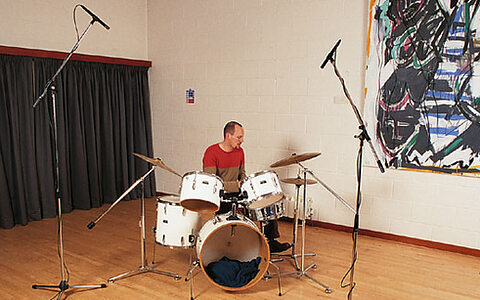
  • Miking Drums - Each drum or cymbal can be miked individually (close miking) or a few overhead mics can be used to capture the entire kit (ambient miking).
  • Miking Guitars - For acoustic guitars, placing a mic near the 12th fret captures a balanced sound. Electric guitars are often miked by placing a microphone close to the amplifier's speaker.

4. Polar Patterns

This term refers to the sensitivity of a microphone to sounds arriving from different directions:

  • Cardioid Picks up sound best from the front.
  • Omnidirectional Picks up sound equally from all directions.
  • Bidirectional (or figure-of-eight) Picks up sound best from the front and back.
  • Supercardioid and Hypercardioid Have a narrower front pickup area but a small rear pickup area.

Explore Further

Choosing the right microphone and employing the best miking technique can dramatically impact the quality of your recordings. Whether you're capturing vocals, instruments, podcasts, or on-field sounds, understanding the basics outlined above can set you on the path to producing professional-level audio. Remember, experimentation is key: try different mics and techniques to find what works best for your unique situation! And check out all of the Sound On Sound articles listed below for plenty of buying advice and 'how to' techniques.

  • link

    Violet Amethyst

    Studio Capacitor Microphones

    Are the Amethysts a bit of a jewel in the studio, or only semi-precious? We find out.

    Reviews Oct 2006
  • link

    SOS Guide To Choosing & Using Studio Microphones

    Sound Advice

    Knowing the right microphone for the job, from the huge variety of types and models available, is an essential skill for anyone who records regularly, and can make the difference between sub-standard and spectacular results. Follow our essential guidelines to ensure you always make the optimum choice.

    Sound Advice Sep 2006
  • link

    Sontronics Omega

    Valve Capacitor Microphone

    We examine a handsome Chinese-made valve mic with retro style to spare. But how does it sound?

    Reviews Sep 2006
  • link

    Q. Can we fit microphones inside a Leslie cabinet?

    A friend of mine who is a full-time professional musician has recently bought a new PA and now wants to fit permanent...

    Sound Advice Sep 2006
  • link

    AKG Perception 200

    Condenser Microphone

    Designed in Europe and built in China, AKG's latest studio mic aims to deliver value for money.

    Reviews Aug 2006
  • link

    DPA 4090 & 4091

    Instrument Microphones

    DPA have used their hi-tech miniature microphone capsules to produce a pair of mics that you can use on just about any sound source.

    Reviews Aug 2006
  • link

    Pearl ELM-C

    Condenser Microphone

    This innovative Swedish mic's long rectangular capsule balances the practical advantages of small- and large-diaphragm condenser designs... but sounds more like a ribbon mic!

    Reviews Jul 2006
  • link

    Blue Snowball

    USB Condenser Microphone

    A multi-pattern mic that plugs straight into a computer.

    Reviews Jul 2006
  • link

    JTS US1000D

    UHF Wireless Microphone System

    The radio microphone marketplace is becoming a busy place these days, but it's always interesting to look at a new system that aims to provide good-quality performance while being very straightforward to set up and operate.

    Reviews Jun 2006
  • link

    Q. What microphone should I use for single-mic recording?

    I am looking for one big bluegrass microphone! I would like to purchase a high-quality one for recording my band. Can you give me some brand names to investigate and where I can order one?

    Sound Advice Jun 2006
  • link

    Q. What should I use to switch between two mics?

    I want an A/B switching box to connect two microphones to one phantom-powered mic preamp. I need the signal to remain as clean as possible and have XLR ins and an XLR out. Any suggestions?

    Sound Advice Jun 2006
  • link

    Q. What mics do I need to record a drum kit?

    I have a five-piece drum kit with the three standard cymbals. I am trying to get the best sound possible on a very small...

    Sound Advice Jun 2006
  • link

    Samson C01U

    USB Condenser Microphone

    If you want the simplest possible computer recording setup, it doesn't come much more straightforward than this: a mic that plugs straight into your Mac or PC's USB ports.

    Reviews Jun 2006
  • link

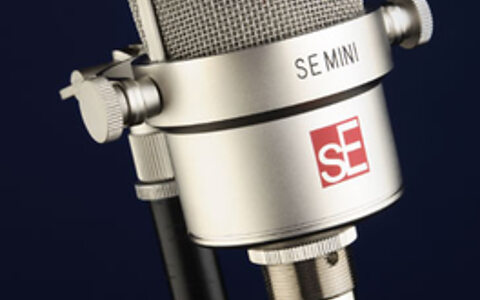
    SE Electronics Mini & 2200A

    Condenser Microphones

    These two new SE models may come in at an entry-level price, but they are both highly capable capacitor mics, each with a distinctly different sound character.

    Reviews Jun 2006
  • link

    Electrovoice Cardinal & Raven

    Microphones

    These new condenser and dynamic microphones from the EVBlue range boast classy retro styling but how do they sound?

    Reviews May 2006
  • link

    Q. Is a matched pair of mics necessary for stereo recording?

    Do I really need to use a 'matched pair' of microphones, or even two mics of the same make and model, for stereo recording...

    Sound Advice May 2006
  • link

    Recording A String Section

    Theory & Practice

    You can mike up a string section in many different ways, but which one sounds best? We explain the theory behind the most popular mic techniques and then record several of them on a real string session so that you can let your ears decide.

    Techniques May 2006
  • link

    T-Bone SCT2000 & Retro Tube

    Multi-Pattern Valve Microphones

    These two multi-pattern valve (tube) mics are contrasted with each other in terms of both sound and design cosmetics.

    Reviews May 2006
  • link

    Guitar Technology

    Gear Reviews, Tips and Techniques

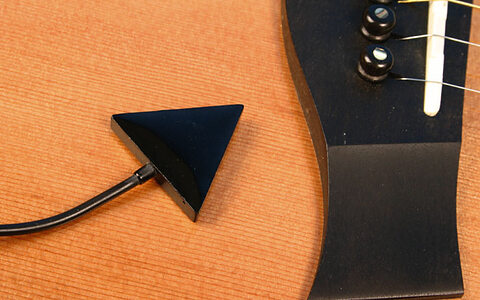
    • Ehrlund Acoustic Pickup • Compensating for Volume Control treble loss • Radial Engineering Plexitube, Hartke AC75/AC150, TC Electronic G Sharp, Zoom G7.1ut/G9.2tt

    Reviews Apr 2006
  • link

    Microtech Gefell M300

    Condenser Microphone

    This new high-resolution small-diaphragm condenser mic offers high SPL handling and a warm tone.

    Reviews Apr 2006
  • link

    Beyer MCE72

    Stereo Condenser Microphone

    If you're looking to record high-quality audio to your portable Minidisc or MP3 recorder, then this small battery-powered stereo mic could be just what you are looking for.

    Reviews Mar 2006

Pages

Subscribe to RSS - Microphones / Miking