You are here

Microphones / Miking

Microphones & Miking Techniques: An Introduction

When you enter the world of audio recording, one of the first tools you'll encounter is the Microphone. But with the variety available and the myriad ways to use them, it can be a daunting journey. This explainer aims to simplify that process for you.

1. What is a Microphone?

A microphone is a device that converts sound waves into electrical signals. At its core, it captures vibrations (from voices, instruments, or any other sounds) and translates them so they can be amplified, recorded, or transmitted. Different microphones are designed to capture sound in various ways and have distinct characteristics that make them ideal for specific tasks.

2. Types of Microphones

  • Dynamic Microphones - These mics are rugged, moisture-resistant, and can handle high sound pressure levels (SPL), making them perfect for live sound environments and studio applications. They use a diaphragm attached to a coil of wire, placed within the magnetic field of a magnet, which means they don't need a power source.
  • Condenser Microphones - These are more sensitive and offer a higher frequency response and louder output than dynamic mics. They're commonly used in studio recording settings. They require power (from batteries or phantom power) to charge their internal electronics.
  • Ribbon Microphones - Known for their high quality and smooth character, ribbon mics capture sound with a thin strip of metal suspended in a magnetic field. They're fragile and typically used in studio environments.
  • Lavalier Microphones - These are small clip-on mics often seen in broadcasting for interviews and presentations.
  • Shotgun Microphones - With a very narrow area of sensitivity, or "polar pattern," these mics are used to pick up sound from a specific direction. They're commonly used in film and TV production.

3. Miking Techniques

  • Close Miking - Placing the microphone close to the sound source. This technique captures the direct sound and reduces the amount of ambient noise. It's commonly used in both live sound and studio recording.
  • Ambient Miking - Mics are placed at a distance from the sound source. This captures more of the room's acoustics and ambient noise, providing a more "natural" or "live" sound.
  • Stereo Miking - Uses two microphones to capture a stereo image. Common techniques include X/Y (where two cardioid mics are placed close together at a 90-degree angle) and spaced pair (where two mics are several feet apart).
  • Miking Drums - Each drum or cymbal can be miked individually (close miking) or a few overhead mics can be used to capture the entire kit (ambient miking).
  • Miking Guitars - For acoustic guitars, placing a mic near the 12th fret captures a balanced sound. Electric guitars are often miked by placing a microphone close to the amplifier's speaker.

4. Polar Patterns

This term refers to the sensitivity of a microphone to sounds arriving from different directions:

  • Cardioid Picks up sound best from the front.
  • Omnidirectional Picks up sound equally from all directions.
  • Bidirectional (or figure-of-eight) Picks up sound best from the front and back.
  • Supercardioid and Hypercardioid Have a narrower front pickup area but a small rear pickup area.

Explore Further

Choosing the right microphone and employing the best miking technique can dramatically impact the quality of your recordings. Whether you're capturing vocals, instruments, podcasts, or on-field sounds, understanding the basics outlined above can set you on the path to producing professional-level audio. Remember, experimentation is key: try different mics and techniques to find what works best for your unique situation! And check out all of the Sound On Sound articles listed below for plenty of buying advice and 'how to' techniques.

  • link

    Audix SCX25

    Condenser Microphone

    Large-diaphragm mics don't have to be bulky and unwieldy, as this compact new contender from Audix demonstrates.

    Reviews May 2005
  • link

    BLUE Bluebird

    Condenser Microphone

    Although it may look very similar to their existing Baby Bottle, this new mic from BLUE turns out to be a different beast entirely.

    Reviews Apr 2005
  • link

    Getting Started With Capacitor Mics

    Things You Should Know

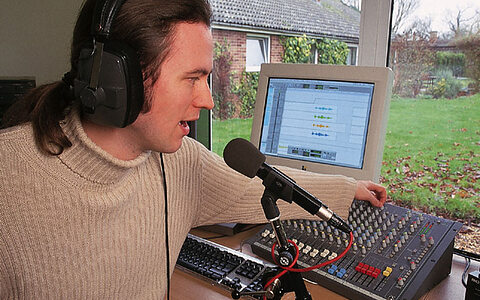
    With affordable capacitor mics now flooding the market, more musicians than ever before have access to the means to make high-quality recordings. But if you are new to this type of mic, there are some important things you need to know to get good results without damaging your investment.

    Techniques Mar 2005
  • link
    Rode NT2a condenser.

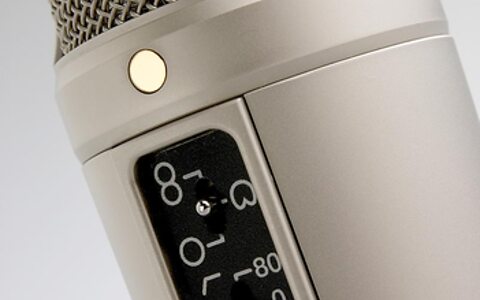
    Rode NT2A

    Multi-pattern Capacitor Microphone

    Rode redesign their well-known NT2, and achieve a class-leading noise floor in the process.

    Reviews Mar 2005
  • link

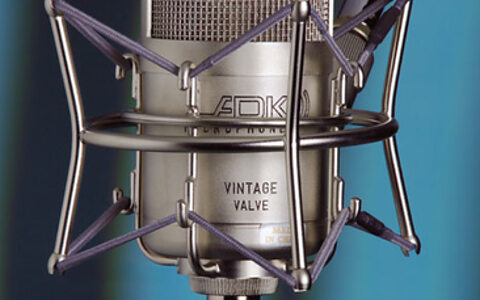
    ADK A48

    Multi-pattern Valve Mic

    This mic combines a colourful valve sound with the flexibility of nine different polar patterns.

    Reviews Feb 2005
  • link

    Q. What kind of mic setup should I use to record a choir?

    I have been planning to record an upcoming choir concert with a centred ORTF stereo pair of Rode NT5 cardioids...

    Sound Advice Feb 2005
  • link

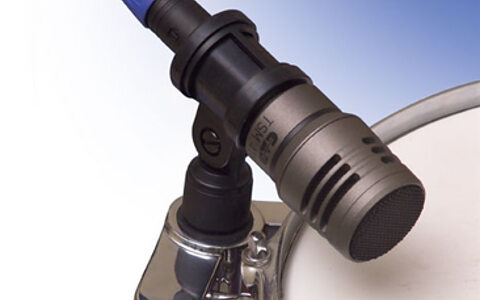
    CAD TSM411, ICM417 & KBM412

    Drum Microphones

    Three new mics from CAD offer impressive mounting hardware and audio specifications specially tailored to recording drums.

    Reviews Jan 2005
  • link

    Q. Can measurement mics be used for recording music?

    Can you tell me if it's common practice to use measurement microphones for recording? I have access to a good selection of...

    Sound Advice Dec 2004
  • link

    Q. Is a pop shield better than a wind shield?

    I recently bought a large-diaphragm condenser mic which came with a foam wind shield (the kind that fits over the top of the mic). Will this do a good enough job of stopping plosive blasts?

    Sound Advice Dec 2004
  • link

    Samson CL7

    Capacitor Microphone

    This low-cost mic combines smart styling with a solid, neutral sound.

    Reviews Dec 2004
  • link

    AKG C414B XLS & XLII

    Capacitor Microphones

    One of the all-time classic microphones gets a 21st-century makeover.

    Reviews Nov 2004
  • link

    Q. Can I use acoustic screens to prevent drum spill?

    I'm wanting to record a band all at the same time in the same room, and my main problem is that the drummer is much too loud...

    Sound Advice Nov 2004
  • link

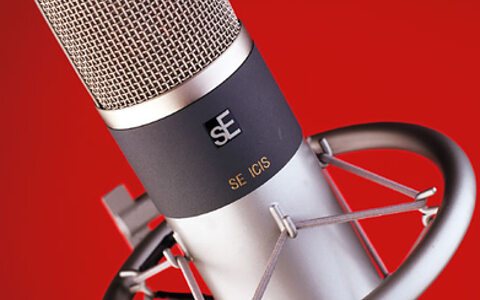
    SE Electronics Icis

    Valve Condenser Microphone

    This strikingly styled new valve mic offers a sound inspired by vintage classics.

    Reviews Nov 2004
  • link

    Groove Tubes MD1b FET

    Condenser Microphone

    This is a reissue of Groove Tubes' first large-diaphragm condenser, but with solid-state electronics replacing the valve to offer a more affordable package.

    Reviews Oct 2004
  • link

    Q. What are the correct input impedances for Guitars and Mics?

    I bought a Boss guitar effects processor the other day and noticed that the guitar sounds a lot better through it than it does just straight into my mixer. Also, could the sound from my mic be similarly improved by getting a stand-alone voice channel for it, rather than just putting it through the mixer?

    Sound Advice Oct 2004
  • link

    Q. Can dust affect microphone performance?

    If I left my Neumann TLM103 mic out on its stand when not in use for long periods of time, would its performance be affected, by dust in particular?

    Sound Advice Oct 2004
  • link

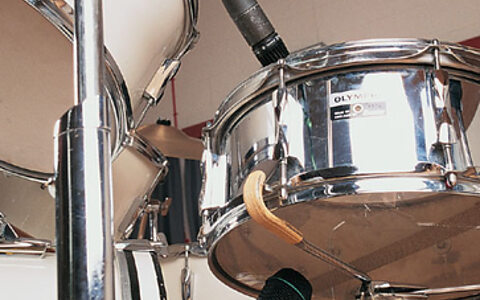
    Q. What mics should I use on a snare drum?

    I am looking at buying a matched pair of SE Electronics SE1 mics for drum miking. Would the SE1s be suitable for 'over and under' miking of the snare? If not, could you offer any alternatives for this kind of configuration?

    Sound Advice Oct 2004
  • link

    Pearl CC22

    Condenser Microphone

    This innovative rectangular-capsule design aims to combine the desirable attributes of small- and large-diaphragm sounds.

    Reviews Sep 2004
  • link

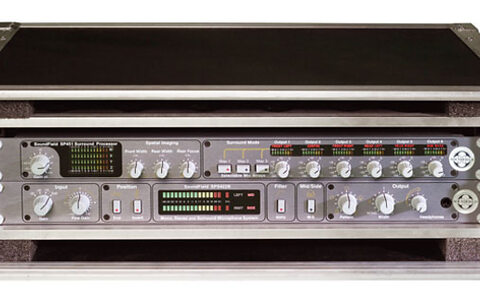
    Soundfield SPS422B & SP451

    Surround Recording System

    This system can record in mono, stereo, or any current or future surround format — using just one mic.

    Reviews Sep 2004
  • link

    Oktava MKL5000

    Multi-pattern Tube Microphone

    This striking new vintage-style mic from Oktava not only gives a great rock vocal sound, but also offers the flexibility of multiple polar patterns.

    Reviews Aug 2004
  • link

    SE Electronics Z3300A

    Multi-pattern Microphone

    This new mic offers three polar patterns and a surprisingly high-end sound for the money.

    Reviews Aug 2004

Pages

Subscribe to RSS - Microphones / Miking